The Sweet Mistake That Built America's Most Iconic Ballpark Snack
The Sweet Mistake That Built America's Most Iconic Ballpark Snack
Every summer, millions of Americans reach into a red-and-white box of Cracker Jack without giving it a second thought. It's just part of the ballpark experience — as automatic as the seventh-inning stretch or the smell of hot dogs drifting through the upper deck. But that little box of caramel-coated popcorn has a backstory that most fans have never heard, and it starts not at a baseball diamond but at one of the most chaotic and spectacular events in American history.
A World's Fair and a Very Sticky Problem
In 1893, Chicago was the center of the universe. The World's Columbian Exposition — better known as the Chicago World's Fair — had drawn over 27 million visitors to the shores of Lake Michigan, all of them hungry for something new. German immigrant Frederick William Rueckheim and his brother Louis had been selling popcorn on Chicago streets since the 1870s, and they saw the fair as their big break.
They showed up with a mixture of popcorn, peanuts, and molasses — a combination that had real promise but one serious flaw: it clumped together into an almost unmovable mass. The brothers had a snack that tasted great but was essentially impossible to eat without a chisel. Rather than give up, they kept tinkering, experimenting with ways to coat each kernel individually so the mixture stayed loose and snackable.
It took a few years, but by around 1896 they had cracked it — literally. A proprietary process involving a specific application of the molasses mixture kept the popcorn and peanuts separate while still delivering that sweet, sticky crunch. According to popular legend, a salesman tasting the finished product blurted out "That's a cracker jack!" — a slang phrase of the era meaning something first-rate or excellent. The name stuck immediately, and the Rueckheims ran with it.
From Street Cart to Cultural Institution
The product hit the market in 1896 and spread quickly through Chicago before finding its way to vendors across the country. In 1899, the brothers made a move that would define the brand for over a century: they began packaging Cracker Jack in a wax-sealed box, which kept it fresh far longer than loose bags and made it easy to sell at outdoor events. That packaging decision, as mundane as it sounds, was the key that unlocked mass distribution.
Then came the toy. Starting around 1912, every box of Cracker Jack included a small prize tucked inside — a tiny trinket, a paper puzzle, a miniature game. It was a masterstroke of marketing that transformed a simple snack into an experience. Kids didn't just want to eat Cracker Jack; they wanted to see what was inside. The prize tradition has continued without interruption for more than a hundred years, making it one of the longest-running promotional gimmicks in American consumer history.
But the moment that truly locked Cracker Jack into the American psyche had nothing to do with the Rueckheim brothers at all.
The Song That Changed Everything
In 1908, songwriter Jack Norworth was riding a New York City subway when he spotted an advertisement for a baseball game at the Polo Grounds. Norworth, who had never actually attended a baseball game at that point, was inspired to scribble out the lyrics to a song about a woman named Katie Casey who drags her boyfriend to the ballpark. The chorus became one of the most repeated lines in American musical history:
"Buy me some peanuts and Cracker Jack, I don't care if I never get back."
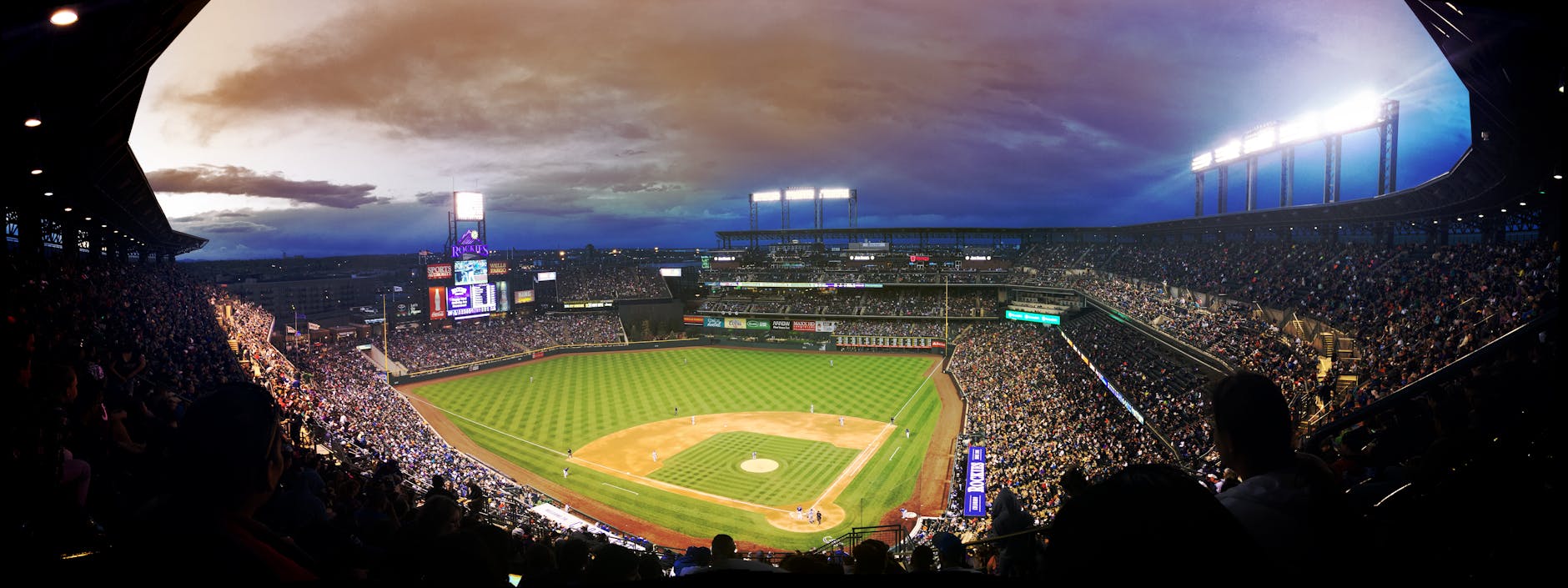
Norworth and his collaborator Albert Von Tilzer published "Take Me Out to the Ball Game" that same year. It wasn't an overnight sensation — it took decades to become the ritual it is today — but by the mid-twentieth century, the song was being sung at ballparks from coast to coast during the seventh-inning stretch. And with it, Cracker Jack's place in the American sports landscape was permanently sealed.
The brand didn't pay for that placement. It didn't negotiate a sponsorship deal or run an ad campaign. A bored songwriter on a subway car handed them an eternal marketing gift for free.
Still Crunching After All These Years
Frito-Lay acquired the Cracker Jack brand in 1997, and the snack remains a consistent presence at Major League Baseball stadiums across the country. The nostalgia factor alone drives enormous sales — there's something about the red-and-white box that triggers a kind of collective American memory, connecting fans to generations of ballpark visits stretching back over a century.
In 2004, the Baseball Hall of Fame in Cooperstown added a Cracker Jack box to its permanent collection, cementing what most people already knew instinctively: this isn't just a snack. It's an artifact.
The next time you're at a game and you hear that familiar chorus echo through the stands, remember that none of it was planned. No marketing genius mapped out the journey from a sticky mess at a Chicago world's fair to a line in the most-sung sports song in American history. It happened through accidents, persistence, a clever packaging decision, and one bored songwriter with a pencil on a subway.
That's the hidden backstory of Cracker Jack — and honestly, it's sweeter than the snack itself.