Your Boss Stole That Phrase From a Baseball Diamond
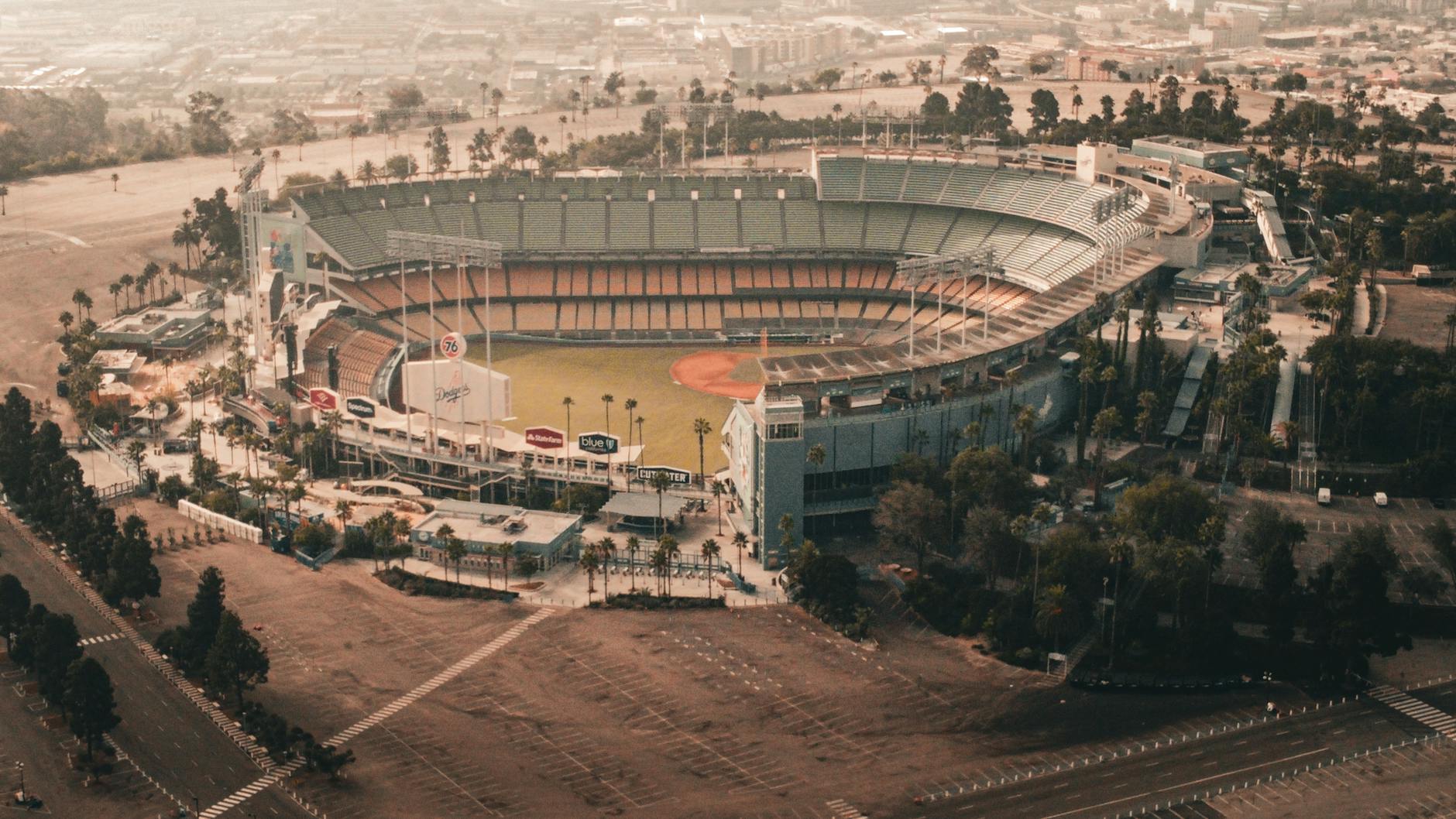
Your Boss Stole That Phrase From a Baseball Diamond
Somewhere right now, in an office building across America, someone is asking a coworker to "touch base" about a project. Someone else is giving a "ballpark figure" on next quarter's budget. A manager is telling their team to "step up to the plate." Nobody in the room is thinking about baseball.
But they should be.
The language of American business is soaked in the vocabulary of a sport that most of today's corporate world probably watches only during the playoffs, if at all. These phrases feel so natural, so embedded in professional conversation, that they've completely lost their uniforms. They just sound like... talking. But pull back the curtain and you'll find a baseball diamond hiding underneath almost every motivational meeting.
When Baseball Was America's Whole Personality
To understand how this happened, you have to go back to the late 1800s and early 1900s, when baseball wasn't just a popular sport — it was the dominant cultural force in American life.
This was the era before the NFL had any real national footprint, before the NBA existed, before televised sports of any kind. Baseball was what Americans talked about, read about, and argued about. It filled newspapers, shaped neighborhoods, and gave a rapidly industrializing country a shared language. Immigrants learned American culture partly through baseball. Working-class communities organized themselves around local teams. The sport was everywhere, and its vocabulary followed.
When a culture becomes obsessed with something, that obsession bleeds into everyday speech. It happened with baseball the way it would later happen — to a lesser extent — with football and basketball. But baseball got there first, and it got there during the exact period when American business culture was also being built from the ground up. The timing wasn't coincidental. It was inevitable.
Breaking Down the Phrases
"Touch base" is probably the most ubiquitous baseball import in modern office life. In the sport, a baserunner must physically touch each base to advance legally around the diamond. Miss a base, and you're called out. The phrase entered business English as a way of describing a quick check-in — a brief moment of contact to confirm you're still in sync. The first documented uses in a professional context started appearing in the mid-20th century, but the imagery came straight from the field.
"Ballpark figure" has a slightly different origin story. A ballpark — the stadium itself — was always understood to be a contained, defined space. By the 1960s, the phrase "in the ballpark" had evolved to mean something roughly within an acceptable range. NASA engineers reportedly used it during the space program to describe approximate calculations that were close enough to be workable. From there, it migrated into business and everyday conversation as shorthand for a rough estimate. The stadium became a metaphor for the boundaries of reasonable expectation.
"Step up to the plate" draws directly from the batter's box, where a player must take their position and face whatever the pitcher throws. There's no delegating that moment, no committee decision. You either step up or you don't. In business English, the phrase carries the same weight — it's a call to take personal ownership, to perform under pressure, to not wait for someone else to handle it.
"Out of left field" describes something unexpected, strange, or seemingly disconnected from the situation at hand. The origin is debated — some historians connect it to the old Psychiatric Institute of Illinois, which was supposedly located near a left field wall, though that's likely apocryphal. More credibly, left field in baseball is simply the position farthest from the typical flow of action on most plays, making it a natural metaphor for something that comes from an unexpected direction.
"Cover your bases" and "off base" follow similar logic — both rooted in the fundamental mechanics of the game, both now functioning as idioms for thoroughness and accuracy in contexts that have nothing to do with athletics.
How Language Travels Without a Passport
What makes this story interesting isn't just the individual phrases — it's the mechanism behind how they spread. Nobody issued a memo saying "we're going to use baseball terminology in business meetings from now on." It happened organically, the way all language shifts do: through repetition, familiarity, and cultural saturation.
Men who grew up playing or watching baseball in the early 20th century brought that vocabulary into the workplaces they built and managed. It felt natural to them, and it communicated something specific — a shared cultural reference point that everyone in the room was expected to understand. Using baseball language wasn't just colorful expression. It was a subtle signal of belonging.
Over time, the phrases outlived the cultural dominance of the sport itself. They became so common that new generations adopted them without any awareness of their origin. The baseball imagery faded. The words remained.
What It Says About America
The fact that baseball's vocabulary still runs through American professional life — long after football arguably claimed the title of the country's most-watched sport — says something worth sitting with. Language is one of the most durable artifacts a culture produces. It survives the decline of the thing that created it.
Baseball built its phrases into the foundation of how Americans talk about work, competition, effort, and strategy during a formative period in the nation's development. Those phrases became load-bearing walls.
So the next time your manager asks to "touch base" before the end of the week, you can nod politely — and know that somewhere, a 19th-century shortstop is getting exactly zero credit for the meeting.