The Tiny Tube That Took Over Every Sport on Earth
The Tiny Tube That Took Over Every Sport on Earth
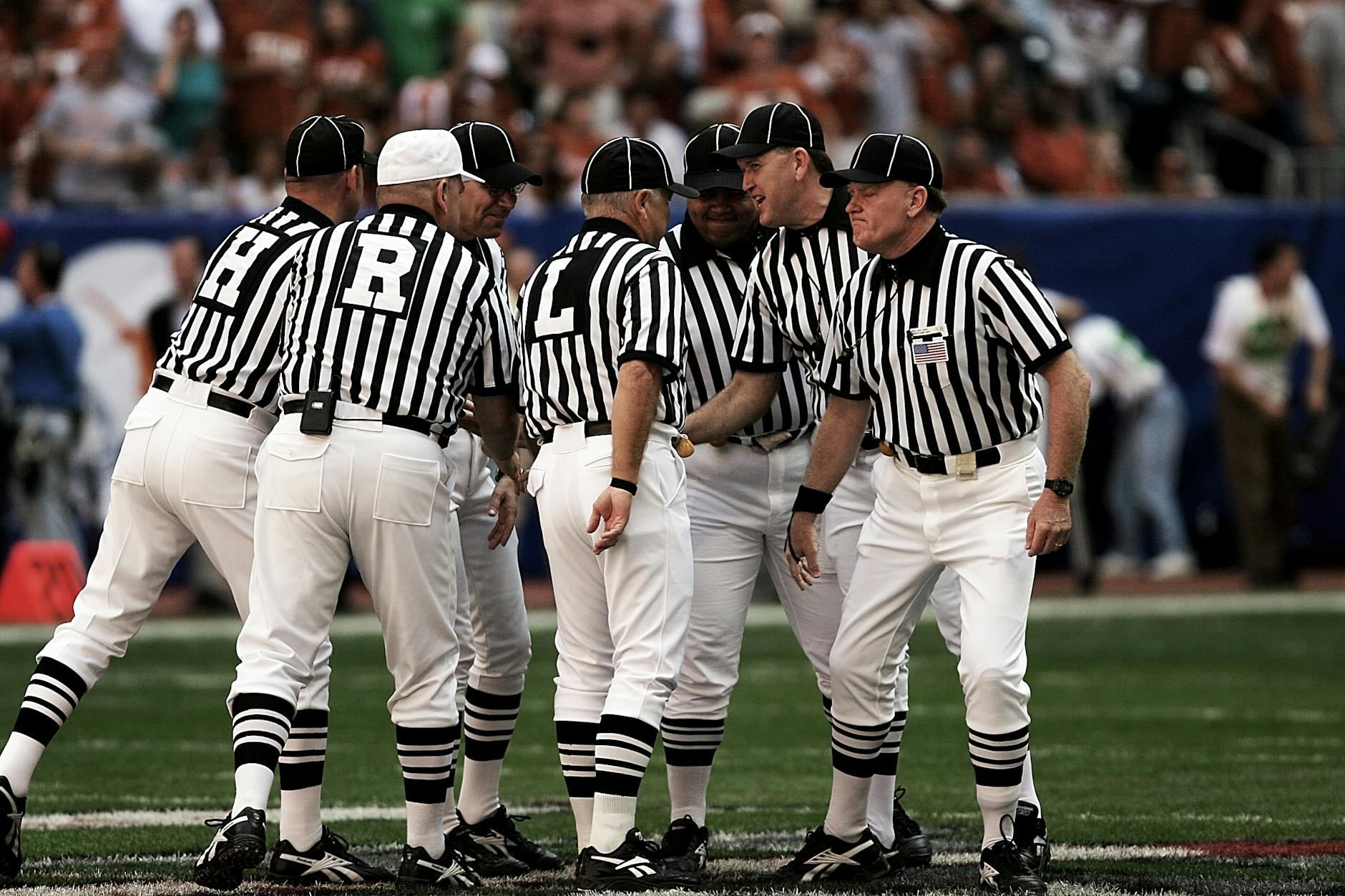
Think about the last time you watched a game — football, basketball, soccer, hockey, it doesn't matter. Now imagine that game without a whistle. No sharp blast to stop play. No piercing shriek to flag a foul. Just a referee running toward a player, waving his hands, hoping someone notices.
That was the reality of organized sport for most of the nineteenth century. And the fix, when it finally came, didn't come from a sports league or an equipment manufacturer. It came from a sidewalk in Nottingham, England, in 1878.
Before the Whistle, There Was Chaos
Early organized sports were a logistical mess. The rules of association football — what Americans call soccer — had been codified in England in 1863, but officials had almost no reliable way to enforce them across a full-sized pitch. Referees were often positioned off the field entirely, consulted only when team representatives couldn't agree on a call. On-field umpires used flags, hand signals, and shouting to manage play.
The problem was simple: a large crowd makes a lot of noise. A referee's voice carries maybe twenty or thirty feet on a calm day. A roaring crowd of even a few hundred people could swallow that voice whole. Flags helped, but only if a player happened to be looking in the right direction. In short, the people responsible for controlling the game had almost no reliable tools to actually do it.
Some accounts from the era describe officials physically grabbing players to stop play — a solution that created its own obvious complications.
A Constable, a Referee, and a Borrowed Idea
The turning point came during a football match between Nottingham Forest and Sheffield Norfolk on December 11, 1878. The referee that day was a man named Joseph Hudson — not a professional sports official, but a toolmaker by trade who had recently started a small manufacturing company in Birmingham, England. That company was called Acme Whistles, and it would eventually become the largest whistle manufacturer in the world.
Hudson had been experimenting with pea whistles — small metal instruments with a cork ball inside the chamber that created a trilling, attention-grabbing sound — and had already caught the interest of the Metropolitan Police in London, who adopted the design for their constables in 1884. But before that official police contract came through, Hudson reportedly showed up to referee that 1878 match with one of his own prototypes in his pocket.
The effect was immediate. A single sharp blast could be heard across the entire pitch, even over crowd noise. Players stopped. Officials regained control. The tool worked in a way that no amount of shouting or flag-waving ever had.
Word spread quickly. By the mid-1880s, whistles had become standard equipment for football referees across England. Within two decades, the concept had crossed the Atlantic and embedded itself into virtually every organized sport in the United States.
How the Design Got Smarter
For most of the twentieth century, the standard referee's whistle was still a pea whistle — reliable, but not perfect. The cork ball inside could get waterlogged, freeze in cold weather, or simply stick at the worst possible moment. A referee blowing a silent whistle in the middle of a critical play was an embarrassing but not uncommon event.
The fix came in 1987, courtesy of a Canadian named Ron Foxcroft. A former basketball referee who had officiated at the 1976 Montreal Olympics, Foxcroft had grown frustrated with pea whistle failures at high-stakes moments. He spent years developing an alternative: a whistle with no moving parts at all. The chamber was designed with a patented dual-chamber airflow system that created a loud, consistent tone without any internal ball to malfunction.
He called it the Fox 40, named partly after himself and partly after the forty years of whistle design he was trying to improve upon. The Fox 40 produces a sound above 100 decibels and maintains its pitch regardless of how hard the referee blows. It's now used by the NFL, the NBA, FIFA, and the NHL. If you've watched professional sports in the last thirty years, you've heard it thousands of times.
The Sound That Runs the Game
There's something worth pausing on here. The whistle is arguably the single most powerful object in professional sports. It stops a 300-pound lineman mid-stride. It overrules a stadium of 80,000 people. It can reverse the outcome of a play, award a penalty, or end a championship game.
And it exists because a toolmaker in Victorian England happened to be refereeing a football match and had a prototype in his pocket.
The next time a referee's whistle stops play at a critical moment — and you watch an entire arena react to it in real time — consider how that moment connects back to a cold afternoon in Nottingham, a borrowed idea from law enforcement, and a tiny metal tube that somehow ended up running every sport on earth.