Spite, Salt, and a Skillet: How One Chef's Tantrum Created America's Favorite Snack
Spite, Salt, and a Skillet: How One Chef's Tantrum Created America's Favorite Snack
Picture a busy resort kitchen in upstate New York, the summer of 1853. A chef named George Crum is working the line at Moon's Lake House, one of the most fashionable dining spots in Saratoga Springs. The clientele is wealthy, opinionated, and — on at least one particular evening — deeply irritating.
A guest at the table keeps sending back his fried potatoes. Too thick, too soft, too soggy. Crum obliges once. Then twice. On the third complaint, something snaps.
What happened next wasn't calculated. It wasn't a culinary breakthrough anyone planned. It was a chef deciding, in one impulsive moment, to make his point with a knife and a frying pan.
The Moment That Changed American Snacking
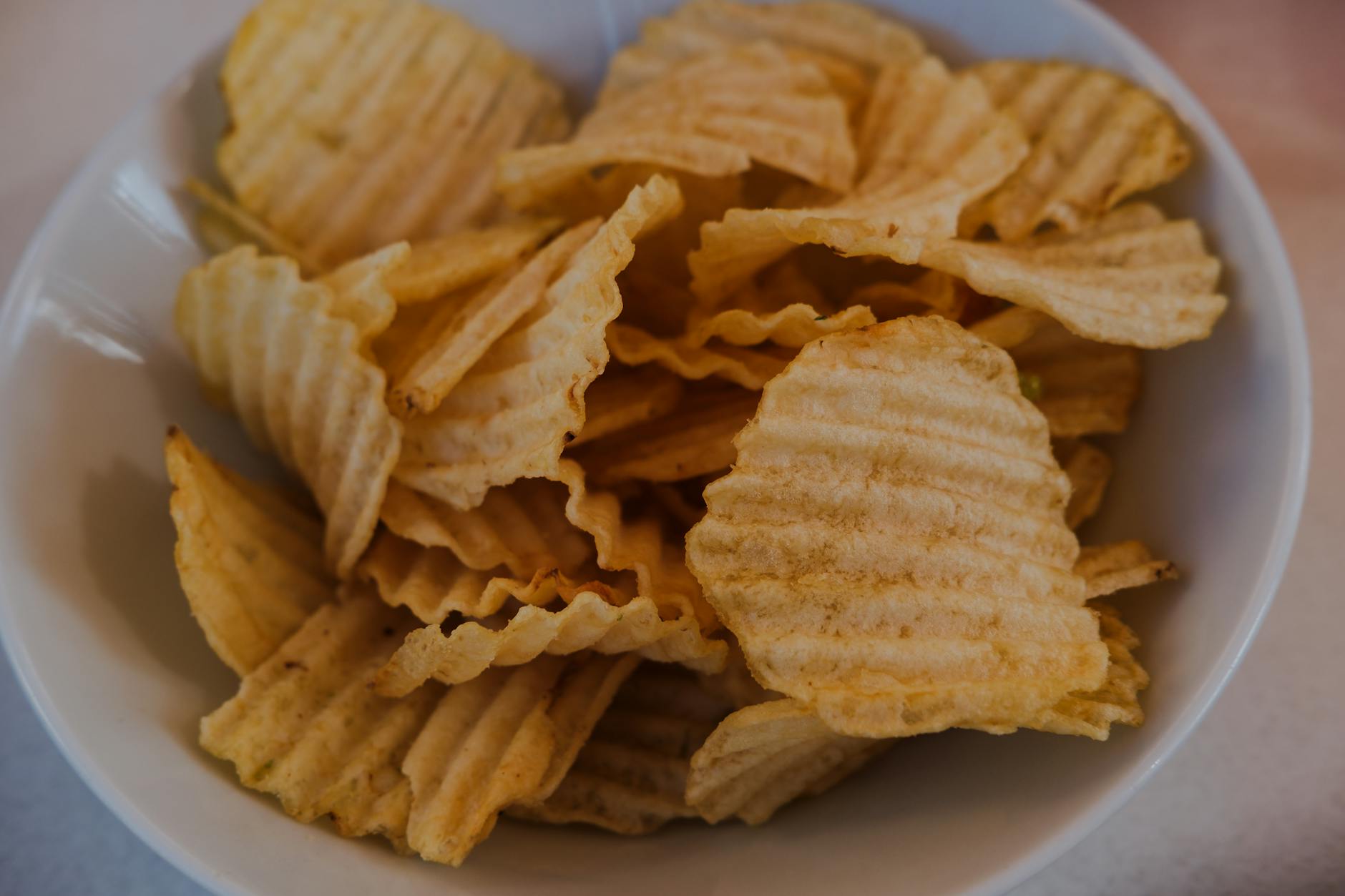
Crum sliced the potatoes paper-thin — impossibly thin, thinner than any fork could reasonably handle. He dropped them into boiling oil, fried them until they were rigid and brittle, then hit them with a heavy dose of salt. The idea was to serve something so over-the-top, so aggressively crunchy, that the picky diner would have nothing left to complain about.
Except the plan backfired completely. The customer loved them.
So did everyone else.
Crum's accidental creation — quickly nicknamed "Saratoga Chips" — became the house specialty at Moon's Lake House almost overnight. Wealthy vacationers brought the idea home with them, and the dish began spreading through restaurants and households across the Northeast. Within a few decades, what had started as a one-off act of culinary defiance had become a staple of the American table.
It's worth noting that some historians have pushed back on the neat tidiness of this story. A few accounts suggest Crum's sister, Catherine Wicks, may have accidentally dropped a thin potato slice into the fryer first, sparking the idea. And records from earlier cookbooks hint that thinly fried potatoes existed in some form before 1853. But Crum's role in popularizing and refining the chip — and the Saratoga Springs origin — remains the most widely documented and repeated version of the tale. In the world of accidental inventions, the details rarely stay perfectly clean.
From Resort Kitchens to Factory Floors
For most of the late 1800s, potato chips were a restaurant food — something you encountered at a nice establishment, not something you grabbed off a shelf. Making them at home was tedious and inconsistent. There was no easy way to package or preserve them, which kept them firmly in the category of a fresh, made-to-order treat.
That changed in the early 20th century, when a traveling salesman named Herman Lay started distributing chips out of the trunk of his car across the American South. Lay had the kind of relentless, door-to-door hustle that built industries, and his operation grew into what eventually became Frito-Lay — one of the most dominant snack companies on the planet.
The invention of the mechanical potato peeler helped. So did advances in packaging technology, particularly the development of wax paper bags that kept chips fresh longer than loose containers. By the 1920s and 30s, chips had crossed over from restaurant novelty to grocery store staple, and American snacking habits were quietly but permanently changing.
Flavored chips arrived in the 1950s, starting with barbecue seasoning — a development that opened an entirely new dimension of the industry. Sour cream and onion, salt and vinegar, cheddar, ranch, and eventually a seemingly endless parade of limited-edition flavors followed over the decades. Each new variety expanded the market further, turning a simple fried potato slice into a canvas for culinary experimentation.
A Multi-Billion Dollar Accident
Today, the American potato chip industry generates somewhere in the neighborhood of $10 billion in annual revenue. The average American eats roughly four pounds of potato chips per year. They show up at Super Bowl parties, packed lunches, gas station counters, and late-night pantry raids. They are, by almost any measure, the defining American snack food.
And it all traces back to one irritated chef who wanted to make a point.
There's something deeply satisfying about that origin story — not just because it's a good anecdote, but because it captures something true about how innovation often works. The potato chip wasn't the result of market research or product development meetings. Nobody set out to disrupt the snack food industry. George Crum was just annoyed, and he acted on it.
Why the Backstory Still Matters
The next time you reach into a bag of chips without thinking about it — during a game, at a cookout, in front of the TV — consider what you're actually holding. A product born from frustration. A mistake that tasted too good to ignore. An accident that became an institution.
Saratoga Springs still celebrates its connection to the chip's origin, and George Crum's name has been slowly reclaimed by food historians who felt he deserved more credit than he received during his lifetime. He never patented his creation. He never got rich off it. But he accidentally handed America one of its most enduring pleasures, one thin, salty slice at a time.
Not bad for a bad night on the line.