The Superstition That Became Scripture
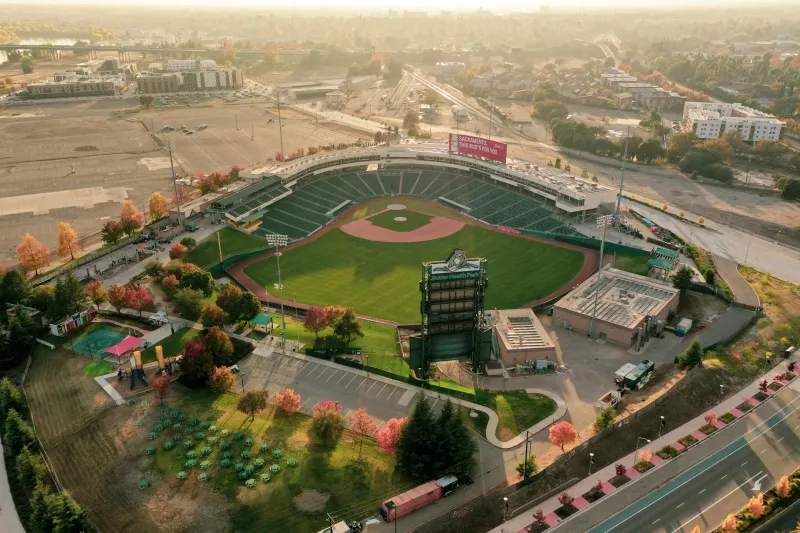
Walk into any major league ballpark in America, and you'll notice something strange: they all face the same direction. Batters look northeast, pitchers throw southwest, and the afternoon sun always sets behind home plate. This isn't coincidence—it's the result of one man's bizarre superstition that somehow became the unofficial law of stadium construction.
The man was Benjamin Shibe, owner of the Philadelphia Athletics, and his obsession with shadows would accidentally dictate how every major American stadium would be built for the next century.
 Photo: Benjamin Shibe, via www.thisiscolossal.com
The Shadow Whisperer
Benjamin Shibe wasn't your typical baseball owner. A successful sporting goods manufacturer who had made his fortune selling baseballs, he was also deeply superstitious about light, shadows, and what he called "the natural flow of fortune." When he decided to build a new stadium for his Athletics in 1909, Shibe had very specific ideas about how the ballpark should sit on its lot.
Shibe believed—based on no scientific evidence whatsoever—that afternoon shadows falling across home plate brought good luck to the home team. He'd noticed that his Athletics seemed to play better in games where long shadows stretched across the diamond during late innings. Rather than consider that this might be because visiting teams struggled with the changing light conditions, Shibe convinced himself that the shadows themselves were mystically beneficial.
Shibe Park, which opened in 1909, was deliberately oriented so that the afternoon sun would create exactly the shadow patterns Shibe wanted. The ballpark faced northeast, ensuring that as the sun moved west throughout the day, shadows would gradually creep across the infield in what Shibe considered the most "fortuitous configuration."
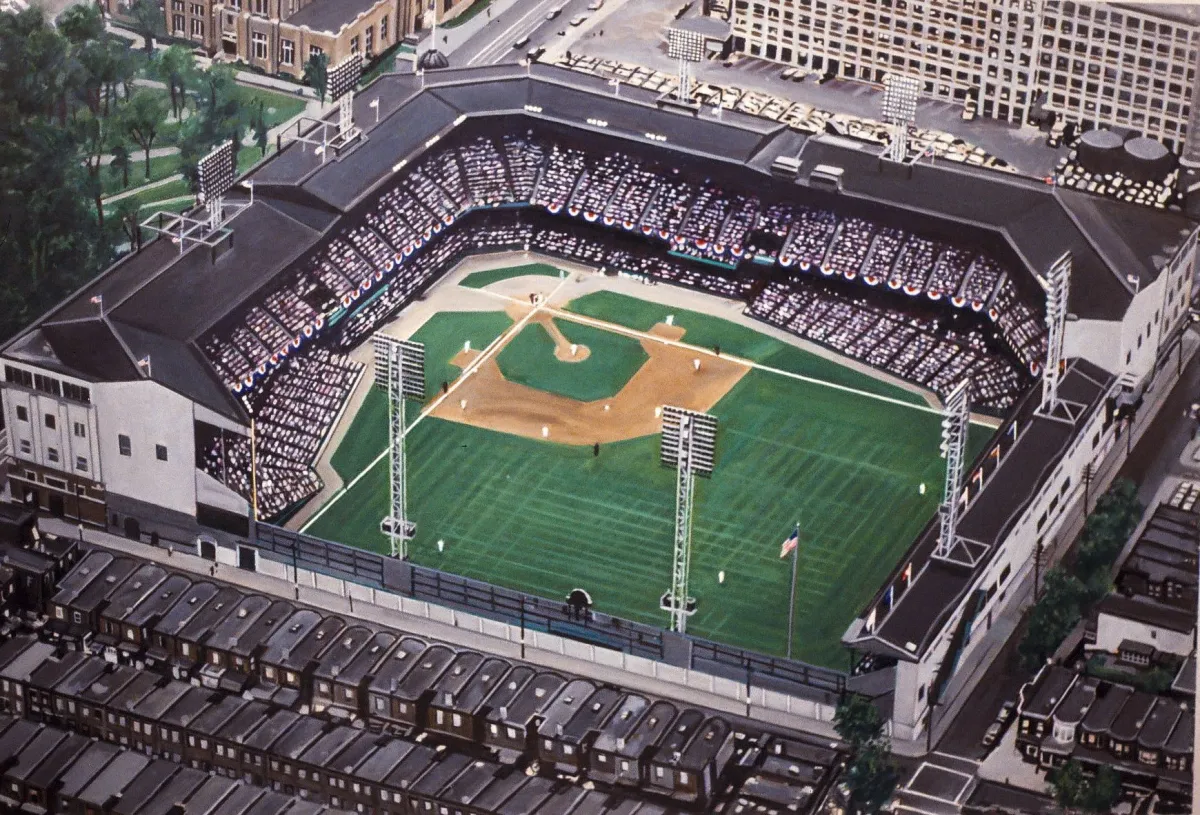 Photo: Shibe Park, via i.pinimg.com
The Accidental Advantage
Shibe's superstition turned out to have an unintended practical benefit. Positioning the ballpark so batters faced away from the afternoon sun meant they weren't blinded by glare during the most important part of the game. Late-inning at-bats, when games were often decided, became much easier for hitters to handle.
Other teams noticed. The Athletics were winning more games at home, and visiting players complained about the challenging light conditions they faced nowhere else. But instead of recognizing this as a competitive advantage created by smart stadium orientation, baseball people attributed it to Shibe's mysterious "shadow luck."
The Copycat Effect
When the next generation of ballparks was built in the 1910s, team owners faced a choice: follow conventional architectural wisdom about stadium placement, or copy Shibe's "lucky" orientation. Given that the Athletics had won three World Series championships in four years after Shibe Park opened, the choice seemed obvious.
Ebbets Field in Brooklyn, built in 1913, adopted the same northeast-facing orientation. Fenway Park, which opened in 1912, was positioned identically. By 1920, virtually every new ballpark in America faced the same direction as Shibe Park, not because architects understood the science of sunlight and vision, but because team owners wanted to capture whatever mystical advantage Shibe seemed to possess.
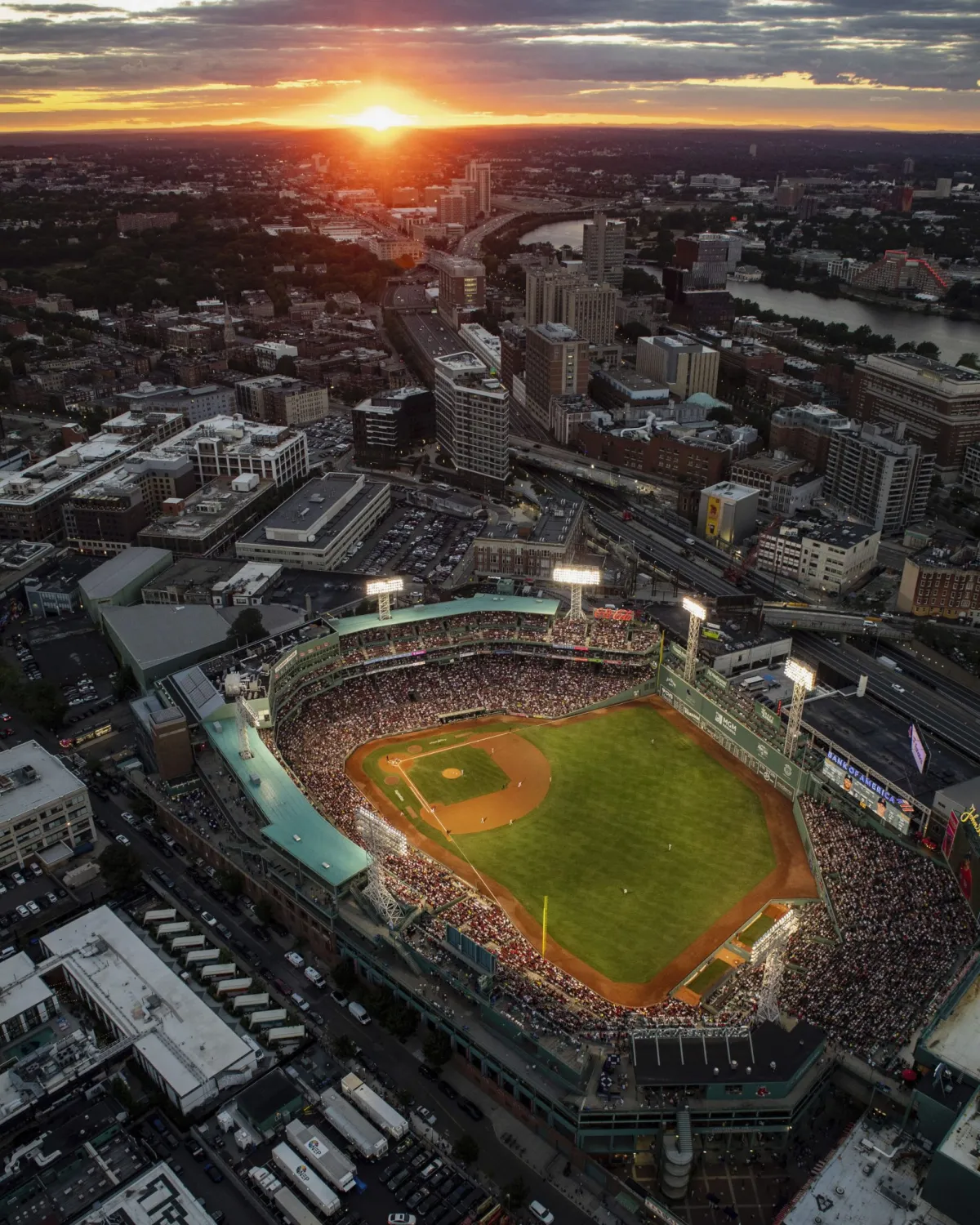 Photo: Fenway Park, via billieweiss.com
The superstition spread beyond baseball. When the first football stadiums were built in the 1920s, many adopted similar orientations. College athletic directors, not wanting to give opponents any possible advantage, insisted their new facilities follow the "Philadelphia model."
From Folk Belief to Building Code
What started as one man's quirky superstition gradually became accepted architectural practice. By the 1930s, sports facility designers simply assumed stadiums should face northeast. Architecture schools taught stadium orientation as if it were established engineering principle rather than the result of Benjamin Shibe's shadow obsession.
The transformation from folk belief to professional standard accelerated in the 1950s and 1960s, when television broadcasting began influencing stadium design. TV producers discovered that northeast-facing stadiums provided the best lighting conditions for afternoon games. The afternoon sun illuminated the field without creating harsh shadows or glare that interfered with camera work.
Suddenly, Shibe's century-old superstition had scientific backing—not because his beliefs about shadow luck were true, but because his accidental discovery of optimal lighting conditions aligned perfectly with television's technical requirements.
The Modern Mandate
In 1992, Major League Baseball made Shibe's old superstition official policy. Rule 1.04 of the Official Baseball Rules now states that "it is desirable that the line from home base through the pitchers plate to second base shall run East Northeast." What had started as one owner's bizarre belief about mystical shadows had become written law.
Today, this rule influences far more than just ballparks. Every major stadium built in America—football, baseball, soccer, even some basketball arenas—considers the "Philadelphia orientation" during design. Urban planners factor stadium positioning into city development plans. Architects study sun angles and shadow patterns that trace back to Benjamin Shibe's 1909 superstition.
The Unintended Legacy
Shibe never lived to see his shadow obsession become industry standard—he died in 1922, just as other teams were beginning to copy his ballpark design. He probably would have been amazed to learn that his personal superstition about afternoon luck had accidentally solved a real problem in stadium design.
The next time you visit a ballpark, look around at how the afternoon light falls across the field. Those shadows that seem so natural and perfect aren't the result of careful engineering or scientific planning. They're the lingering influence of one superstitious man's belief that fortune flows with the movement of the sun.
Benjamin Shibe's shadow luck may have been imaginary, but its influence on American architecture is absolutely real—and still growing with every stadium that rises to follow his accidentally perfect design.