The Moment Everything Changed
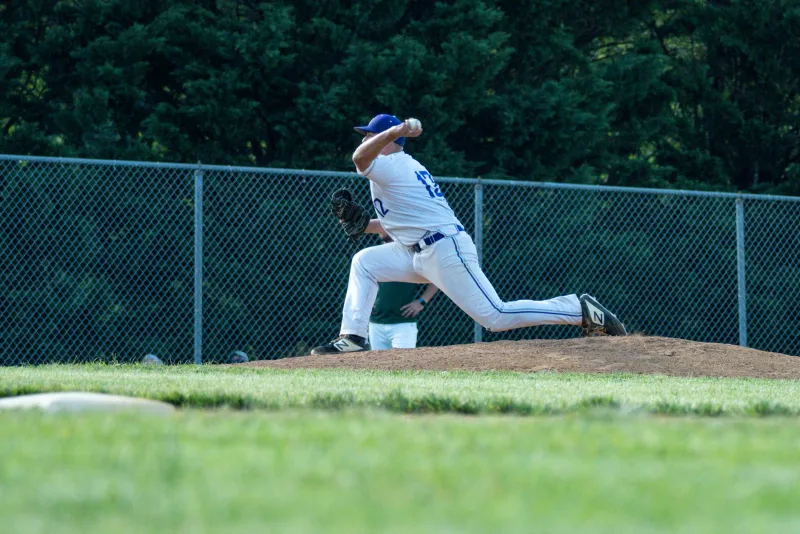
It was June 15, 1881, and the Providence Grays were facing their biggest game of the season. Their ace pitcher, Charlie Radbourn, had just taken a line drive to his throwing shoulder. As he writhed in pain on the pitcher's mound, something unprecedented happened: absolutely no one knew what to do.
 Photo: Charlie Radbourn, via playback.fm
There were no team doctors. No athletic trainers. No medical protocols. Baseball was still a rough-and-tumble sport where players were expected to "walk it off" or sit out until they felt better. But this injury was different—Radbourn couldn't lift his arm.
The Desperate Improvisation
What happened next would accidentally launch an entire industry. The team's manager, Harry Wright, frantically searched the stands for anyone with medical knowledge. He found Dr. Michael O'Sullivan, a local physician who had come to watch the game with his family.
 Photo: Dr. Michael O'Sullivan, via www.nsosmc.com.au
Dr. O'Sullivan had never treated a sports injury in his life. He was a general practitioner who dealt mostly with childhood illnesses and routine ailments. But faced with a crowd of 3,000 anxious fans and a team's season hanging in the balance, he did something revolutionary: he treated the injury right there on the field.
Using supplies borrowed from the team's equipment bag—a leather wrap meant for broken bats, some liniment intended for horses, and ice from the concession stand—O'Sullivan created baseball's first official injury treatment. More importantly, he didn't just patch Radbourn up and send him home. He stayed for the rest of the game, watching how the pitcher moved, noting which motions caused pain.
From Accident to System
Radbourn returned to play three days later, but O'Sullivan kept coming to games. He became fascinated by the specific ways baseball players got hurt—injuries he'd never seen in his regular practice. Sliding injuries. Overuse problems from repetitive throwing. Collision wounds that were different from typical accidents.
Within a year, O'Sullivan had convinced the Providence Grays to pay him a small retainer to attend home games. Other teams noticed. If Providence had a doctor on hand, maybe they needed one too. By 1885, three National League teams had arranged for local physicians to be present during games.
But the real breakthrough came in 1887, when the Boston Beaneaters hired James Robinson—not as a doctor, but as baseball's first dedicated "trainer." Robinson wasn't a physician; he was a former boxer who understood how bodies worked under physical stress. His job was simple: keep the players healthy enough to play.
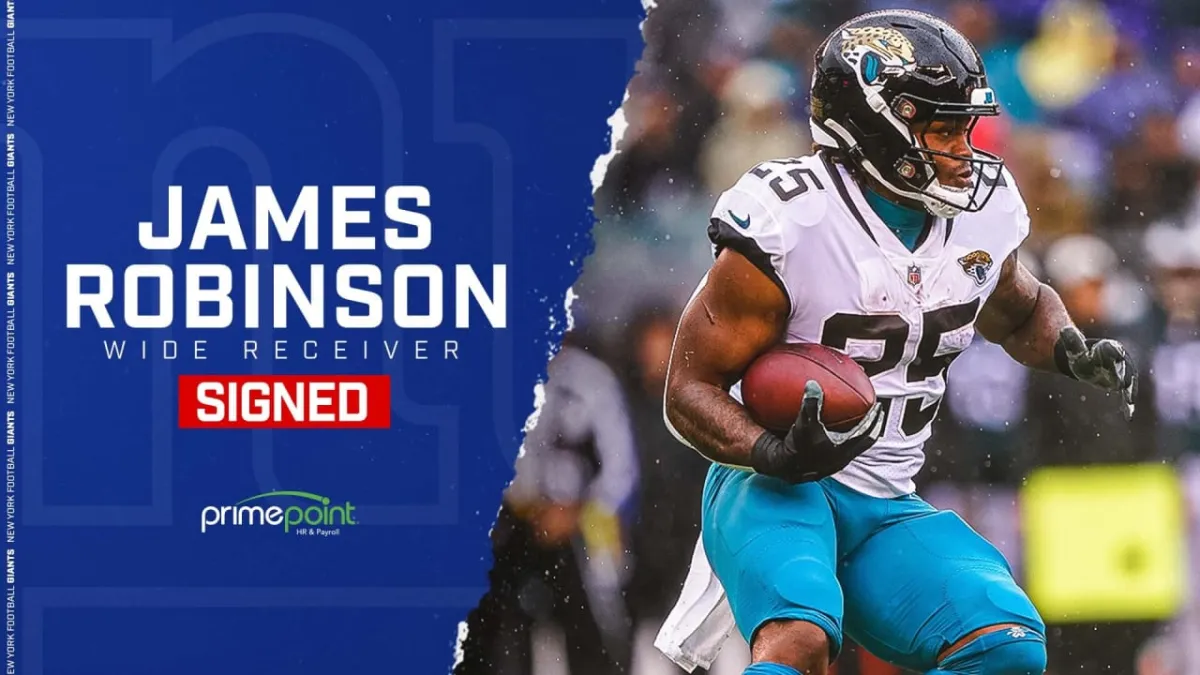 Photo: James Robinson, via static.clubs.nfl.com
The Science of Staying in the Game
Robinson did something that seems obvious now but was radical then: he studied how baseball injuries happened and tried to prevent them. He noticed that pitchers' arms gave out in predictable patterns. He saw that certain stretches helped players avoid muscle pulls. He experimented with different ways to tape ankles and wrists.
Most importantly, Robinson kept detailed records. He tracked which treatments worked, which exercises prevented specific injuries, and how long different types of damage took to heal. Without realizing it, he was creating the foundation for evidence-based sports medicine.
By the 1890s, Robinson's methods had spread throughout professional baseball. Teams began hiring their own trainers, and a loose network of these pioneering sports medicine practitioners started sharing techniques and observations.
The Unexpected Expansion
The real explosion came in the early 1900s, when college football adopted baseball's injury management systems. Football's injury rates were catastrophic—so bad that President Theodore Roosevelt threatened to ban the sport entirely unless safety improved.
College programs, desperate to keep their teams intact, hired trainers modeled after baseball's approach. These trainers brought scientific rigor that the baseball pioneers had developed through trial and error. They established the first formal training programs, created standardized treatment protocols, and began requiring specific qualifications for sports medical personnel.
By 1920, what had started as one doctor's improvised response to a baseball injury had become a recognized medical specialty. The National Athletic Trainers' Association formed in 1950, establishing certification requirements and professional standards that traced directly back to those early baseball experiments.
The Modern Empire
Today's sports medicine industry generates over $7 billion annually in the United States alone. Every professional team employs multiple medical specialists. High schools hire athletic trainers. Weekend warriors consult sports medicine physicians for injuries that would have been ignored a century ago.
The sophisticated rehabilitation programs, injury prevention protocols, and performance optimization techniques that define modern athletics all trace back to that June afternoon in 1881 when a doctor in the stands became baseball's first sports medicine practitioner.
Charlie Radbourn, the pitcher whose injury started it all, went on to have a Hall of Fame career. He never knew that his moment of pain had accidentally launched a medical revolution that would eventually employ hundreds of thousands of people and transform how America thinks about athletic performance and injury.
The next time you see a trainer rush onto a field, remember: it all started with one desperate improvisation in a sport that had no idea it was about to invent an entirely new way to heal.