The Sound That Stops Time
Every basketball fan knows that sound. Sharp, piercing, final—the buzzer that cuts through 20,000 screaming voices to announce that time has expired. It's the audio signature of March Madness heartbreak, NBA championship glory, and countless pickup games settled in backyards across America.
But that iconic sound? It was never meant for basketball at all.
When Basketball Had No Clock
In the early days of professional basketball, games moved at whatever pace felt natural. Players dribbled until they felt like shooting. Teams held the ball for minutes at a time. The 1950 NBA Finals between Minneapolis and Syracuse featured a final score of 19-18—not because of incredible defense, but because nobody felt particularly rushed to score.
Fans were walking out. Television executives were pulling their hair out. Something had to change.
Enter Danny Biasone, owner of the Syracuse Nationals, who did some quick math in 1954. He calculated that teams combined for about 120 shots per game when the action was exciting. Divide that into 48 minutes, and you get one shot every 24 seconds. The 24-second shot clock was born.
 Photo: Syracuse Nationals, via www.carevents.com
The Factory Floor Solution
But Biasone had a problem: how do you time 24 seconds consistently across an entire basketball court? The answer came from an unlikely source—the Bulova Watch Company's industrial division.
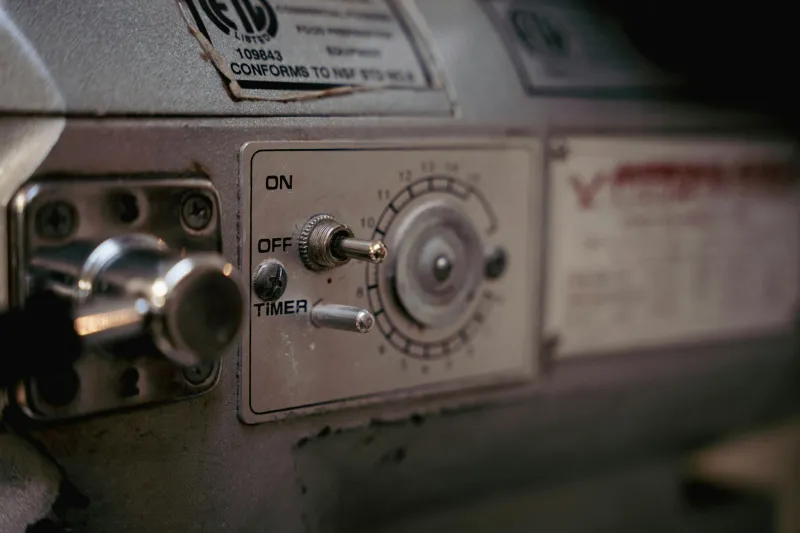
Bulova had spent decades perfecting timing systems for factory floors. Their shift-change buzzers needed to be loud enough to cut through the din of heavy machinery, sharp enough to be unmistakable, and reliable enough to keep production schedules on track. When Biasone approached them about adapting their industrial timers for basketball, they simply repurposed the same electronic buzzer systems they'd been installing in manufacturing plants since the 1940s.
The sound that had been telling factory workers to punch out and go home was about to become the heartbeat of American sports.
The Resistance Movement
Team owners hated it. Players complained it ruined the "natural flow" of the game. Coaches argued it would turn basketball into a frantic sprint rather than a strategic chess match.
Boston Celtics coach Red Auerbach was particularly vocal: "Basketball is supposed to be about patience and setting up the perfect shot. Now you're telling me we have to chuck the ball at the rim every 24 seconds like we're working an assembly line?"
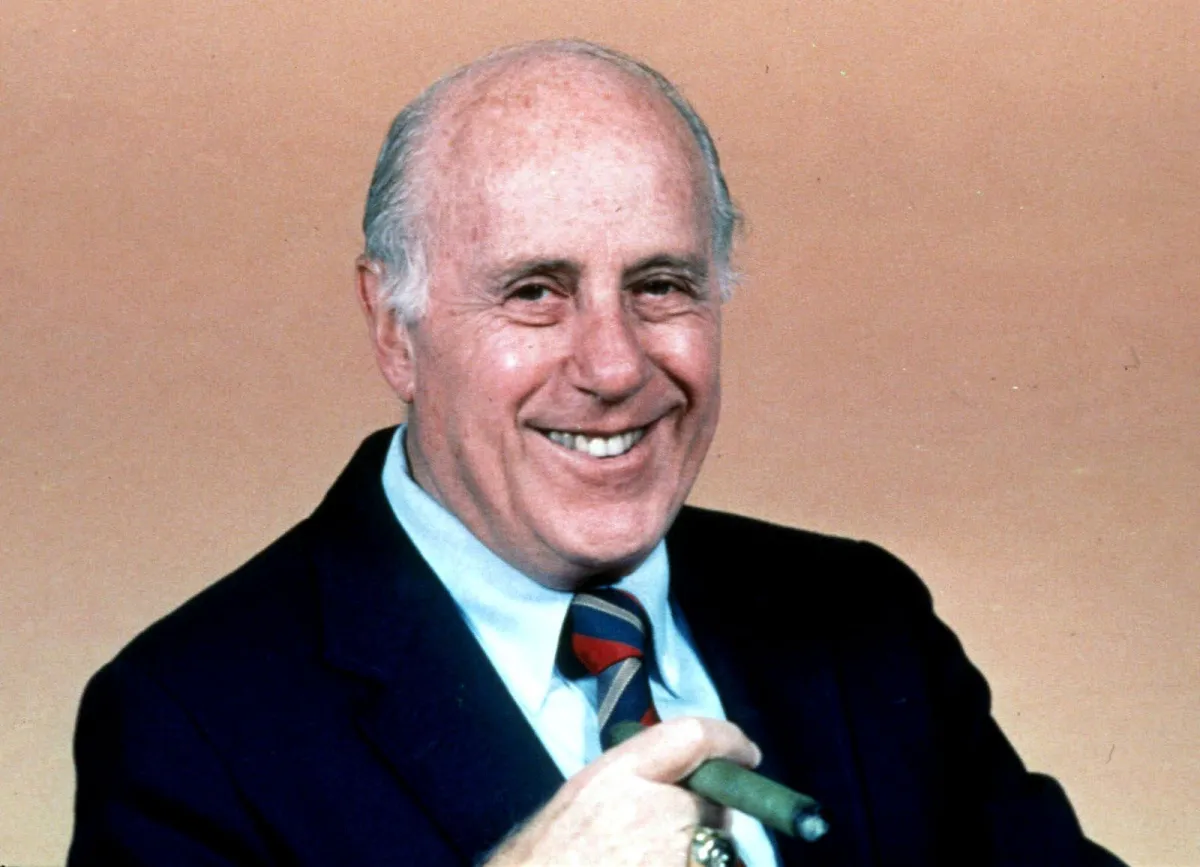 Photo: Red Auerbach, via cdn.britannica.com
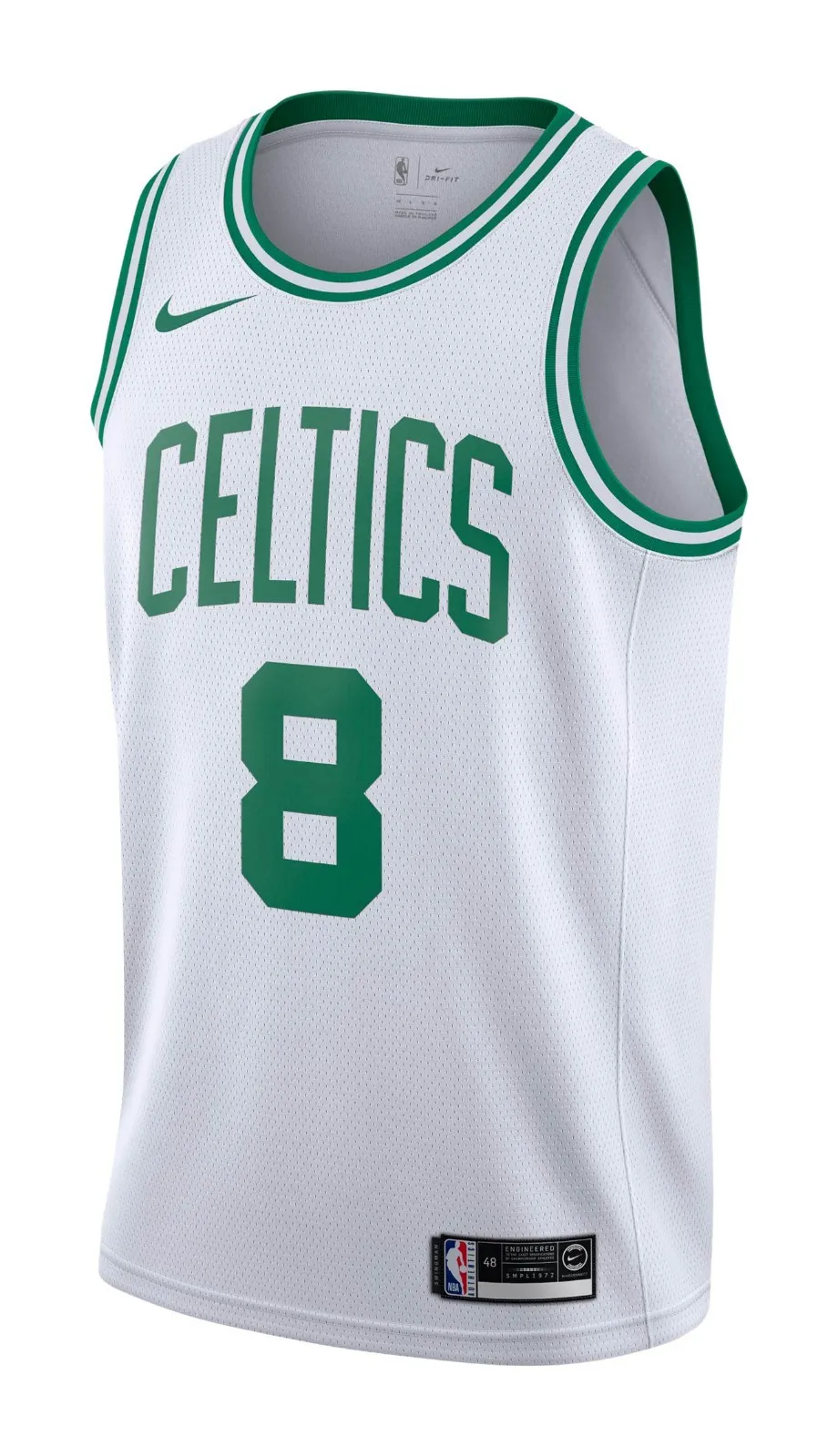 Photo: Boston Celtics, via basketballjerseyarchive.com
He wasn't wrong about the assembly line comparison—that's literally what the buzzer was designed for.
When Hollywood Discovered the Buzzer
By the 1960s, something interesting was happening. The shot clock buzzer wasn't just signaling the end of possessions—it was creating moments of pure dramatic tension. The sound became associated with split-second decisions, last-ditch efforts, and the difference between winning and losing.
Hollywood noticed. Film directors started using buzzer sounds to signal urgency even in movies that had nothing to do with basketball. Game shows adopted similar tones for wrong answers. The factory shift buzzer had evolved into America's universal sound for "time's up."
The Modern Buzzer-Beater
Today's NBA shot clock system is digital, precise, and synchronized across every arena. But the sound remains remarkably similar to those original Bulova factory buzzers from 1954. It's been tweaked, refined, and amplified, but the core audio DNA traces back to industrial America.
The term "buzzer-beater" didn't even exist until the 1970s, when sportswriters needed a way to describe shots that beat the clock. Now it's basketball shorthand for magic—those impossible shots that seem to defy physics and probability.
The Sound of Urgency
What makes this story particularly fascinating is how a utilitarian factory sound became emotionally loaded. Pavlov would be proud. Decades of conditioning have trained basketball fans to associate that specific electronic tone with high-stakes drama. Your heart rate probably increases just reading about it.
Modern shot clocks use LED lights, digital displays, and smartphone-synced precision timing. But every single one still makes essentially the same sound that once told third-shift workers at a Bulova plant that it was time to clock out and head home.
The Legacy Lives On
The next time you're watching a playoff game and that buzzer sounds with two seconds left on the shot clock, remember: you're hearing the ghost of American industry. A sound designed to manage factory productivity accidentally became the soundtrack to basketball immortality.
It's a perfect example of how innovation rarely follows a straight line. Sometimes the most iconic elements of our culture come from the most mundane places—like a factory floor in 1940s New York, where the only thing anyone cared about was making sure the next shift showed up on time.