Hidden Backstory Every ordinary thing has an extraordinary past.

Hidden Backstory

Every ordinary thing has an extraordinary past.

Latest Articles

Dead Time, Loud Opinions, and the Accident That Built Sports Talk Radio
Tech & Culture

Dead Time, Loud Opinions, and the Accident That Built Sports Talk Radio

Sports talk radio didn't emerge from some visionary broadcaster who saw the future of fan engagement. It crept out of a scheduling problem — too many hours to fill, not enough content to fill them with. The story of how arguing about last night's game became a billion-dollar industry starts not in a broadcast booth, but in the awkward silence between programs.

The Sticky Secret in Every Pitcher's Pocket
Tech & Culture

The Sticky Secret in Every Pitcher's Pocket

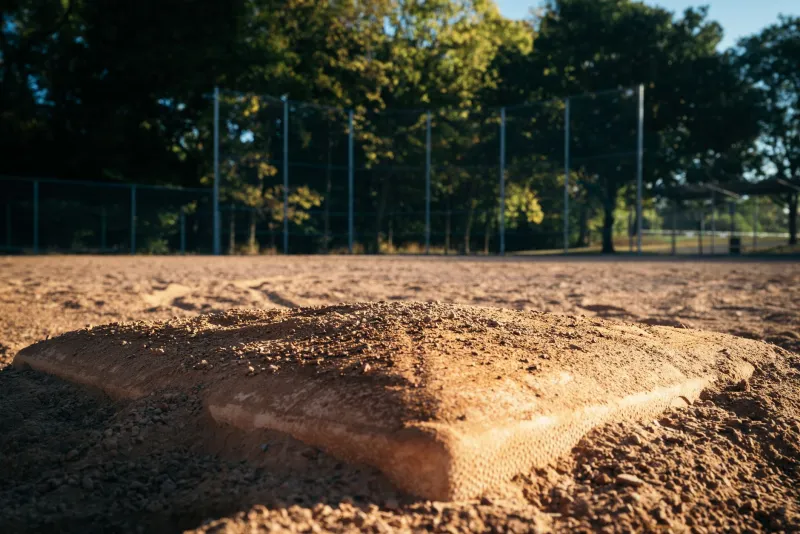
Before rosin bags became a fixture on baseball mounds and gymnastics floors, that chalky powder lived an entirely different life in printing plants and textile mills. The story of how an industrial resin crossed over into American sports is stranger — and stickier — than you'd expect.

Horse Thieves and Hundredths of a Second: The Gambling Debt Behind Every Race Clock
Tech & Culture

Horse Thieves and Hundredths of a Second: The Gambling Debt Behind Every Race Clock

The precision stopwatch wasn't born from Olympic ambition or athletic science — it was engineered to settle arguments between wealthy gamblers who couldn't agree on which horse ran faster. The story of how Victorian-era betting disputes drove clockmakers to build instruments accurate enough to eventually time human sprinters to the hundredth of a second is one of the stranger detours in sports history.

Before Gatorade, Athletes Were Basically Guessing
Tech & Culture

Before Gatorade, Athletes Were Basically Guessing

Gatorade didn't invent athletic hydration — it just formalized decades of improvised experiments that coaches, trainers, and military medics had been running with orange slices, salt tablets, and cold-storage science borrowed from some very unexpected places. The real story of how America learned to keep athletes from collapsing starts long before 1965.

Before Branding, Before Fandom: The Laundry Crisis That Put Numbers on Athletes
Tech & Culture

Before Branding, Before Fandom: The Laundry Crisis That Put Numbers on Athletes

Athlete numbers didn't begin as a fan experience or a marketing tool — they began as a solution to a laundry problem. When early Olympic organizers faced the challenge of sorting and returning thousands of garments to competitors after events, a simple numbering system emerged that would quietly evolve into one of the most commercially powerful symbols in American sports culture.

Breakfast Appliance, Billion-Dollar Industry: The Waffle Iron That Rewired American Footwear
Tech & Culture

Breakfast Appliance, Billion-Dollar Industry: The Waffle Iron That Rewired American Footwear

In the early 1970s, a college track coach brought a rubber compound and a kitchen waffle iron into his garage — and accidentally cracked the code on athletic footwear grip. What started as a Sunday morning tinkering session quietly became the design DNA of nearly every sneaker sold in America today.

Deadline Pressure and a Chaotic Ballpark: How Journalists Accidentally Built the Press Box
Tech & Culture

Deadline Pressure and a Chaotic Ballpark: How Journalists Accidentally Built the Press Box

For the first decades of professional baseball, reporters sat shoulder-to-shoulder with fans, scribbling notes on their knees with no better view than anyone else in the stands. It took one catastrophically disorganized World Series game — and the urgent need to transmit live updates by telegraph wire — to force stadium owners to carve out a dedicated space for the press. That improvised solution became a permanent fixture of American sports architecture.

The Train Station Handshake That Built Every Athlete's Paycheck
Tech & Culture

The Train Station Handshake That Built Every Athlete's Paycheck

Before IMG, before Scott Boras, before the nine-figure contract negotiation became its own spectator sport, there was a barnstorming baseball promoter working out of train station waiting rooms who noticed something uncomfortable: the men doing the playing were the only ones in the building not getting a fair cut. What he built to fix that problem accidentally created the entire architecture of how professional athletes earn money today.

Nailed It: The Backyard Plank That Nobody Wanted and Everybody Rides
Tech & Culture

Nailed It: The Backyard Plank That Nobody Wanted and Everybody Rides

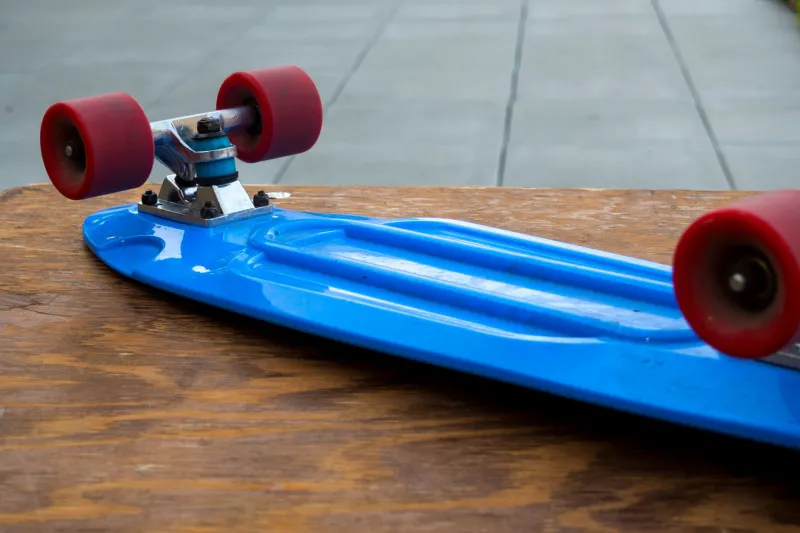
A California surf shop owner hammered roller skate wheels onto scrap wood to cure surfer boredom — and every toy company he called thought he was crazy. What happened next reshaped youth culture, created a billion-dollar industry, and proved that the most influential inventions are often the ones nobody wants to insure.

The Hotel Manager Who Accidentally Designed the Olympic Swimming Pool
Tech & Culture

The Hotel Manager Who Accidentally Designed the Olympic Swimming Pool

The lane lines that separate Olympic swimmers — the ones that determine gold medals by hundredths of a second — were never designed for competition. They were invented by a hotel pool manager in the 1920s who was tired of guests crashing into each other on busy Sunday afternoons. Swimming adopted the solution without asking, and a century later, almost nothing has changed.

The Military Surplus Miracle That Dressed Every American Athlete
Tech & Culture

The Military Surplus Miracle That Dressed Every American Athlete

The mesh jersey didn't start in any team locker room—it started in post-war Army surplus stores where desperate youth coaches found a cheaper alternative to wool. Here's how military undershirts accidentally revolutionized sports fashion.

When Factory Whistles Became Basketball's Heartbeat
Tech & Culture

When Factory Whistles Became Basketball's Heartbeat

The piercing sound that signals basketball's most dramatic moments didn't come from a sports lab—it came from a 1950s factory floor. Here's how industrial shift timers accidentally created the NBA's most iconic audio cue.

The Technical Glitch That Taught America to See Sports Twice
Tech & Culture

The Technical Glitch That Taught America to See Sports Twice

Instant replay wasn't invented—it was accidentally discovered when a CBS director's experimental tape machine malfunctioned during the 1963 Army-Navy game. That technical error changed everything from courtrooms to presidential debates.

The Lucky Charm That Built Every Stadium in America
Tech & Culture

The Lucky Charm That Built Every Stadium in America

Every major American ballpark faces the same direction—not because of science or engineering, but because one superstitious team owner in 1909 believed afternoon shadows brought good luck. That quirky decision became an unbreakable rule that now shapes city skylines.

When Baseball's First Injury Created a Medical Revolution
Tech & Culture

When Baseball's First Injury Created a Medical Revolution

A desperate moment in 1880s baseball, when a team's star pitcher went down with no medical help in sight, accidentally birthed the entire sports medicine industry. What started as pure improvisation with household remedies became a multi-billion-dollar medical specialty.

From Mine Shafts to Marathon Finish Lines: The Underground Origin of Energy Bars
Tech & Culture

From Mine Shafts to Marathon Finish Lines: The Underground Origin of Energy Bars

Long before PowerBars lined checkout counters, coal miners in Pennsylvania were eating dense, calorie-packed cakes designed to fuel 12-hour underground shifts. A college track coach noticed, copied the recipe, and accidentally launched a $5 billion industry.

The Garden Spade That Revolutionized Olympic Sprinting
Tech & Culture

The Garden Spade That Revolutionized Olympic Sprinting

Before starting blocks existed, Olympic sprinters literally dug holes in the track with gardening tools to get their footing. A college track coach's garage experiment with scrap lumber would eventually become mandatory equipment at every major race on the planet.

Dead Air and Play-by-Play: How Funeral Directors Accidentally Created Sports Broadcasting
Tech & Culture

Dead Air and Play-by-Play: How Funeral Directors Accidentally Created Sports Broadcasting

The distinctive style of sports commentary didn't emerge from newsrooms or stadiums — it was invented by desperate radio station owners, many of them funeral directors and department store managers, who needed something to fill the long stretches of silence on early commercial radio.

The Great Race Reversal: Why Every Finish Line Faces the Wrong Way
Tech & Culture

The Great Race Reversal: Why Every Finish Line Faces the Wrong Way

For thousands of years, races ended where they started — runners began at the finish line and ran toward a distant marker. A crowd-control disaster at a 19th-century British track meet accidentally flipped this ancient format and created the dramatic finish-line sprint that defines every modern race.

The Hidden Stories Behind Everything You Touch: Welcome to the Secret History of Ordinary Things
Tech & Culture

The Hidden Stories Behind Everything You Touch: Welcome to the Secret History of Ordinary Things

Every mundane object in your daily routine has an extraordinary backstory waiting to be discovered. From accidental inventions to forgotten pioneers, the things we take for granted often have the most surprising origins.