The Handshake That Used to End a War: How a Battlefield Truce Became the Most Awkward Moment in Sports
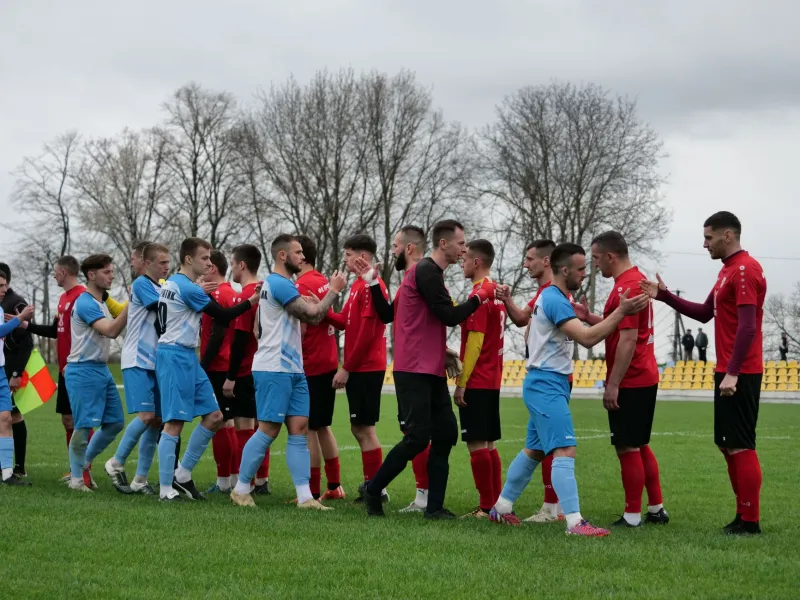
Every spring, somewhere in a youth soccer league or a middle school gymnasium, two lines of kids shuffle toward each other after a game, extend their hands, mutter something that sounds vaguely like "good game," and then immediately forget the whole thing happened. It's one of the most universal rituals in American athletics. It's also one of the most misunderstood.
The postgame handshake line doesn't come from sportsmanship. It doesn't come from coaching philosophy or athletic tradition. It comes from the battlefield — specifically from the formal military practice of opposing commanders physically meeting after combat to confirm, with a handshake, that the killing was finished.
When the Handshake Meant Something Lethal
In pre-modern warfare, the end of a battle was genuinely ambiguous. Armies didn't have reliable communication systems. Soldiers in one part of a field might not know that commanders elsewhere had agreed to stop fighting. Truces could collapse. Retreats could be mistaken for regrouping. The period immediately following combat was often as dangerous as the combat itself.
Formal battlefield truces — documented extensively in European military history from the medieval period onward — developed as a way to make the end of fighting physically undeniable. Opposing commanders would meet on neutral ground, often literally between the two armies, and perform a visible, public act of acknowledgment. The handshake, already a civilian gesture of agreement, became the physical seal on a ceasefire. It said: we both know this is over, and we are both confirming it in a way neither of us can later deny.
The gesture carried enormous weight because the stakes were enormous. A misread signal after a battle could restart the killing. The handshake was functional, not ceremonial — it was a security measure.
Dueling Culture Carried It Forward
As formal battlefield warfare evolved in the 17th and 18th centuries, many of its rituals migrated into the culture of gentlemen's dueling, which was essentially formalized individual combat. The duel had strict protocols governing every phase of the encounter — the challenge, the selection of weapons, the choice of ground, and crucially, the conclusion.
In the American dueling tradition, which was particularly prevalent in the South and among military officers through the early 1800s, the post-duel handshake served the same function it had on the battlefield: it confirmed that the matter was settled and that neither party would seek further satisfaction. Seconds — the witnesses who managed the duel on each combatant's behalf — would physically bring the two men together for this confirmation.
The ritual was serious enough that refusing the post-duel handshake was itself considered a major breach of honor — an implication that the conflict was not, in fact, resolved. The handshake wasn't optional. It was the formal close of a violent transaction.
From the Field of Honor to the Playing Field
The connection between dueling culture and early American college athletics is closer than most people realize. The gentlemen's codes that governed 19th century universities — particularly in the Northeast, where organized collegiate athletics first took hold — were deeply influenced by the same honor traditions that had produced dueling protocols.
Early college sports, particularly rowing and baseball in the 1860s and 1870s, were explicitly framed as substitutes for more violent forms of masculine competition. Athletic contests were described in the press and in college literature using the language of honorable combat — opponents, fields of battle, contests of strength. The postgame handshake arrived in this context as a natural import from the honor culture that surrounded collegiate life.
By the 1880s, organized college athletics had formalized the postgame handshake as a standard expectation. It appeared in early rulebooks and codes of conduct not as a suggestion but as a requirement — the athletic equivalent of the post-duel confirmation that the matter was closed and no further action would be taken.
The NHL Made It Mandatory. The NBA Made It Complicated.
For most of American sports history, the postgame handshake existed as an informal expectation rather than a codified rule. That changed dramatically in the 20th century as leagues began formalizing the ritual — partly out of genuine sportsmanship ideology, and partly because cameras meant that refusing the handshake was now a public, visible, reputational event.
The NHL playoff handshake line became one of hockey's most iconic traditions — two full rosters shuffling past each other after a series-ending game, exchanging brief words and gloves-off handshakes with the people they'd been trying to physically destroy for the past two weeks. The contrast between the violence of the game and the formality of the conclusion is jarring in a way that feels almost medieval. Because it is medieval. The structure of it — opposing forces confirming the end of combat — is almost unchanged from its battlefield origins.
The NBA has had a more complicated relationship with the tradition. High-profile refusals, most notably during heated playoff series, have generated enormous controversy — not because they violate a written rule, but because they violate something that feels much older and more serious than a league policy. The outrage at a refused handshake carries the emotional weight of a duelist refusing to shake hands after the pistols have been put down. It implies the fight isn't over.
The Awkward Truth About Good Sportsmanship
Here's the strange irony at the center of all this: a ritual designed to formally end violence has become the primary symbol of peaceful competition. We teach kids the postgame handshake as a lesson in graciousness, in acknowledging an opponent's effort, in separating the game from personal hostility.
None of those meanings were present at the origin. The handshake was about confirming that nobody was about to get shot.
But meaning evolves. Rituals migrate. And sometimes the most powerful cultural symbols are the ones that have traveled the farthest from where they started — carrying just enough of their original weight to feel important, while wearing a completely different set of clothes.
The kids shuffling through that handshake line after a youth league game are performing, without knowing it, one of the oldest conflict-resolution rituals in Western civilization. They're just doing it with cleats on.