Before the Snooze Button, There Was a Man With a Stick: The Strange Business of Waking America Up
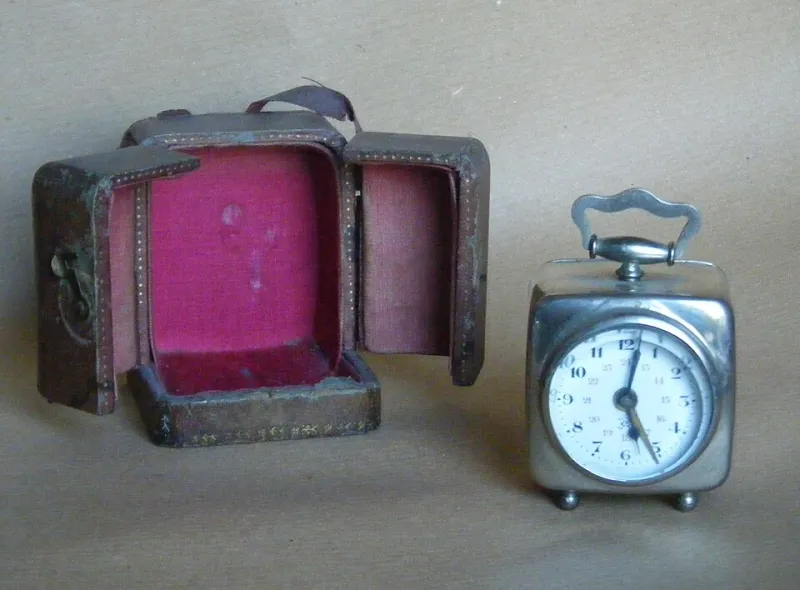
Photo: Ricce, Public domain, via Wikimedia Commons
Somewhere in Scotland in the 1800s, a man is walking down a dark street at 5 a.m. carrying a long pole. He stops at your window, reaches up, and raps on the glass until he sees you open it. Then he moves on to the next house. He'll do this forty more times before breakfast.
He is not a burglar. He is a knocker-upper, and for nearly a century, he was the reason working-class Britain and Ireland got to work on time.
When the Sun Stopped Being the Boss
For most of human history, waking up wasn't a technology problem. Roosters, sunlight, and your own hunger handled it. But the Industrial Revolution changed the deal. When your labor moved from the field to the factory, the clock became your landlord. Shifts started at a fixed minute, and being late could cost you wages or your job.
There was just one problem: most people didn't own a reliable clock, and almost nobody owned an alarm. Mechanical alarm clocks existed but were expensive, unreliable luxuries. So workers outsourced the problem to each other — and then, naturally, to entrepreneurs.
Enter the Knocker-Upper
The knocker-upper's job was exactly what it sounds like. For a few pence a week, they'd come by your window at an agreed hour and wake you — by tapping the glass with a long pole, rattling the door knocker, or in some cases shooting peas at second-floor windows with a pea shooter. Yes, really.
And here's the detail everyone loves: who woke the knocker-upper? The honest answer is that they simply kept strange hours and slept during the day, or woke each other in loose professional chains. The job persisted into the 1970s in parts of England, outlasting the invention that was supposed to kill it.
The Machine That Made Mornings Personal
Mechanical alarm clocks had actually existed since the 15th century — a German locksmith built one that woke him at 4 a.m. — but they were rare, costly, and cranky. What changed everything was mass production. By the late 1800s, American manufacturers were turning out affordable clockwork alarms, and by the early 20th century the alarm clock was a fixture on nightstands across the country.
Then came a crisis nobody planned for: World War I. Factories shifted to war production and demanded more workers on stricter schedules. Alarm demand exploded. When soldiers returned home, they brought the habit with them — the alarm clock had become as American as the time clock it served.
Why Your Phone Knows When to Wake You
Here's the through-line: every wake-up technology since the knocker-upper has been a response to the same pressure — someone else decides when your day starts. The pole-tapper answered to the mill owner. The clockwork alarm answered to the factory whistle. And your phone's alarm? It answers to a device designed by companies with every incentive to keep you engaged from the moment your eyes open.
The radio alarm clocks of the mid-century, the buzzer clocks of the 1970s, the vibrating phone on your nightstand — each one moved the wake-up call closer to your body and further from a human being. The knocker-upper at least had the decency to wait until you waved.
The Morning You Inherited
There's something a little poignant about the whole thing. The reason an 8 a.m. shift start feels natural, the reason your alarm exists at all, traces back to a moment when human schedules stopped following the sun and started following the production line.
The knocker-upper is gone, but the problem they solved never left. Every morning, billions of people are woken by a machine, on a schedule set by an employer, in a rhythm invented by the Industrial Revolution. The pole is gone. The glass-tapping is gone. The underlying arrangement — that your morning belongs to someone else — never went anywhere at all.
So tomorrow, when your alarm goes off and you groan, spare a thought for the man with the stick. At least he only tapped once.