Before Gatorade, Athletes Were Basically Guessing
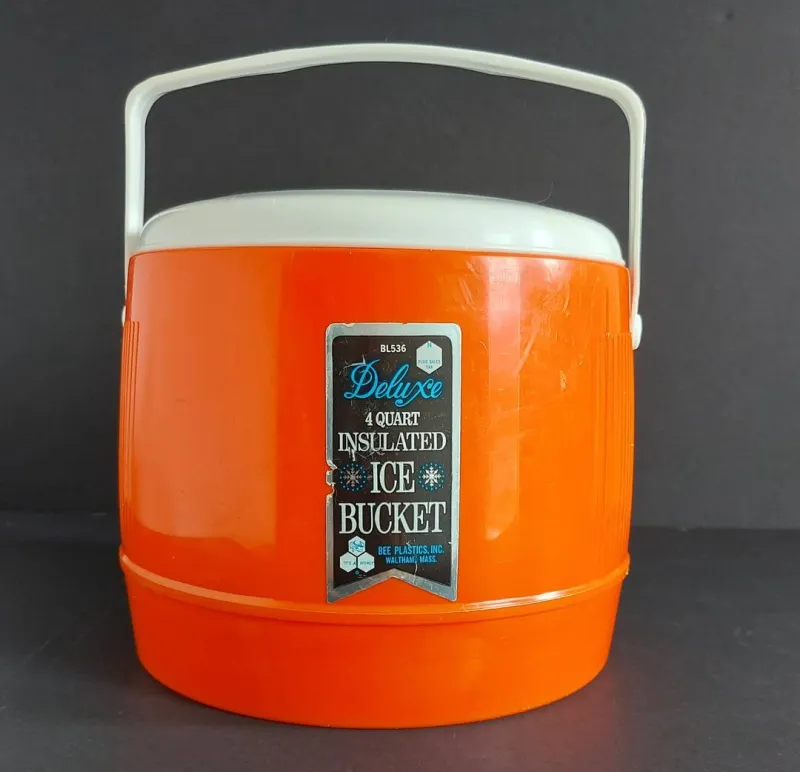
Photo: vintage sports sideline water bucket orange slices 1960s, via i.etsystatic.com
Every time a football player cracks open a squeeze bottle on the sideline, every time a runner grabs a cup of something fluorescent at mile eighteen, they're participating in a ritual that feels completely normal — almost boring. Of course athletes drink during competition. Of course those drinks contain electrolytes. Of course there's science behind it.
But for most of American sports history, there was no science behind it. There was barely even water.
The Era When Thirst Was Weakness
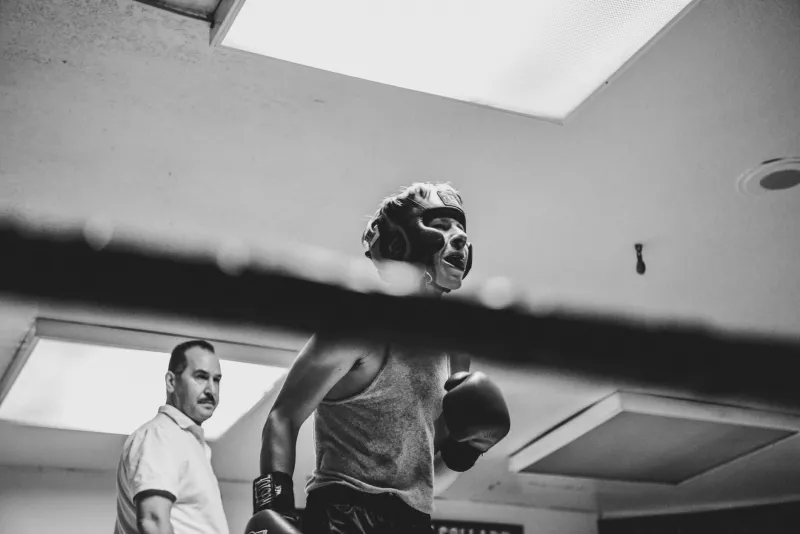
For the better part of the 20th century, the dominant coaching philosophy on hydration was essentially: don't. Drinking during practice was widely considered a sign of softness. Many coaches actively prohibited water breaks, operating under the belief — sincere but catastrophically wrong — that learning to push through thirst built mental toughness and physical endurance.
This wasn't fringe thinking. It was mainstream. High school football coaches across the country ran August two-a-days in full pads with no fluid access whatsoever. College programs followed similar protocols. The logic, such as it was, held that the body would adapt, that discomfort was productive, and that drinking during exertion would cause cramping.
The results, in hindsight, were predictable. Heat exhaustion was common. Heatstroke killed athletes with disturbing regularity. And the coaches who caused these outcomes often genuinely believed they were doing the right thing.
The Improvised Era
Before any formalized sports drink existed, trainers who were paying attention — the ones who noticed that players cramped less after eating certain things, or recovered faster after certain treatments — began experimenting on their own.
Salt tablets were one early intervention. The logic was sound enough: sweat contains sodium, exertion produces sweat, therefore replacing sodium should help. Military medics had been using salt supplementation during World War II to manage heat casualties in tropical theaters, and that knowledge filtered into athletic training rooms through veterans who became coaches and trainers after the war.
Orange slices were another staple — not just for the sugar, but because citrus contains potassium and some natural sodium, making them a rough but functional electrolyte source. Trainers who couldn't explain why orange slices helped knew from experience that they did.
Some programs went further. There are documented accounts of college trainers in the 1950s mixing their own electrolyte solutions from scratch — salt, sugar, and citrus juice combined with water in proportions that varied by whoever was mixing that day. It was sports science conducted by feel, with no controlled trials and no standardized dosing.
The Cold Storage Connection
Here's where the history gets genuinely strange.
One of the persistent challenges in early athletic hydration wasn't just what athletes drank — it was keeping it cold enough to be palatable and safe in summer heat. Ice was expensive and not always available. Mechanical refrigeration was improving but not yet universal in athletic facilities.
The institutions that had solved cold-storage problems earliest and most thoroughly were not hospitals or laboratories. They were funeral homes.
Mortuary science had driven significant advances in low-temperature preservation technology through the late 19th and early 20th centuries, and funeral homes in many American towns were among the first businesses to operate reliable, large-capacity refrigeration units. Medical facilities followed closely, using similar technology for blood storage and pharmaceutical preservation.
Athletic trainers, who often operated in adjacent institutional spaces — particularly in university settings where the training room shared a building with the health center — borrowed cold-storage solutions from medical contexts. The same refrigeration logic that kept blood viable kept saline solutions cold. The same insulated containers used in medical transport showed up repurposed on sidelines.
It wasn't a direct line from the mortuary to the Gatorade cooler. But it was part of the broader ecosystem of cold-storage technology that eventually made consistent, large-scale athletic hydration logistically possible.
The Florida Experiment That Changed Everything
By the early 1960s, the improvised patchwork of salt tablets, orange slices, and homemade mixtures had reached its practical limit. Athletes were still collapsing. Performance was still degrading in heat. The guesswork wasn't working well enough.
In 1965, a University of Florida kidney specialist named Dr. Robert Cade was approached by the school's football coach with a straightforward question: why do our players fall apart in the heat, and what can we do about it? Cade and his research team ran a series of tests and identified the core problem — players were losing fluids and electrolytes faster than they could replace them, and the drinks available at the time (water, mostly) didn't address the electrolyte deficit.
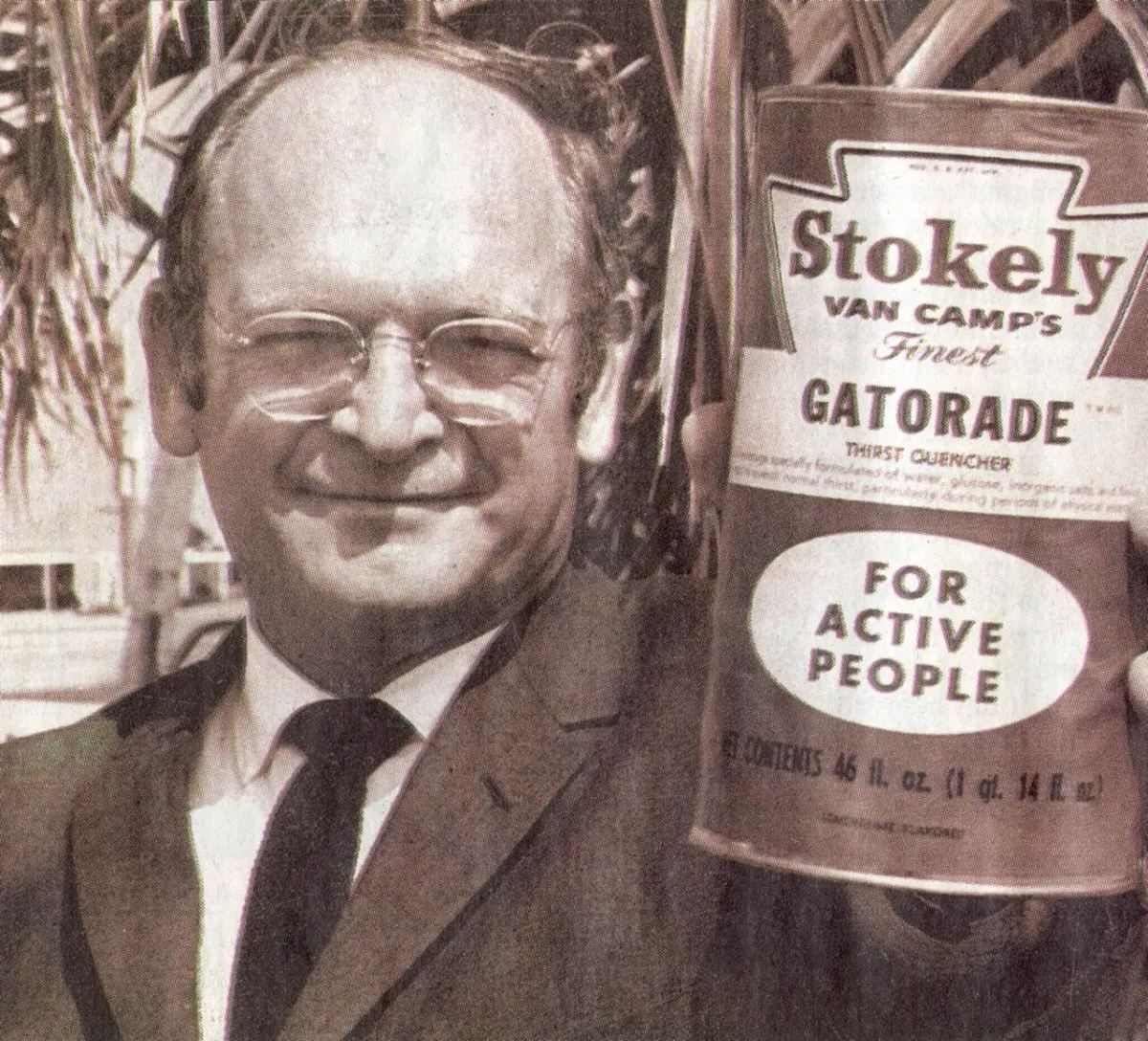 Photo: Dr. Robert Cade, via floridainvents.org
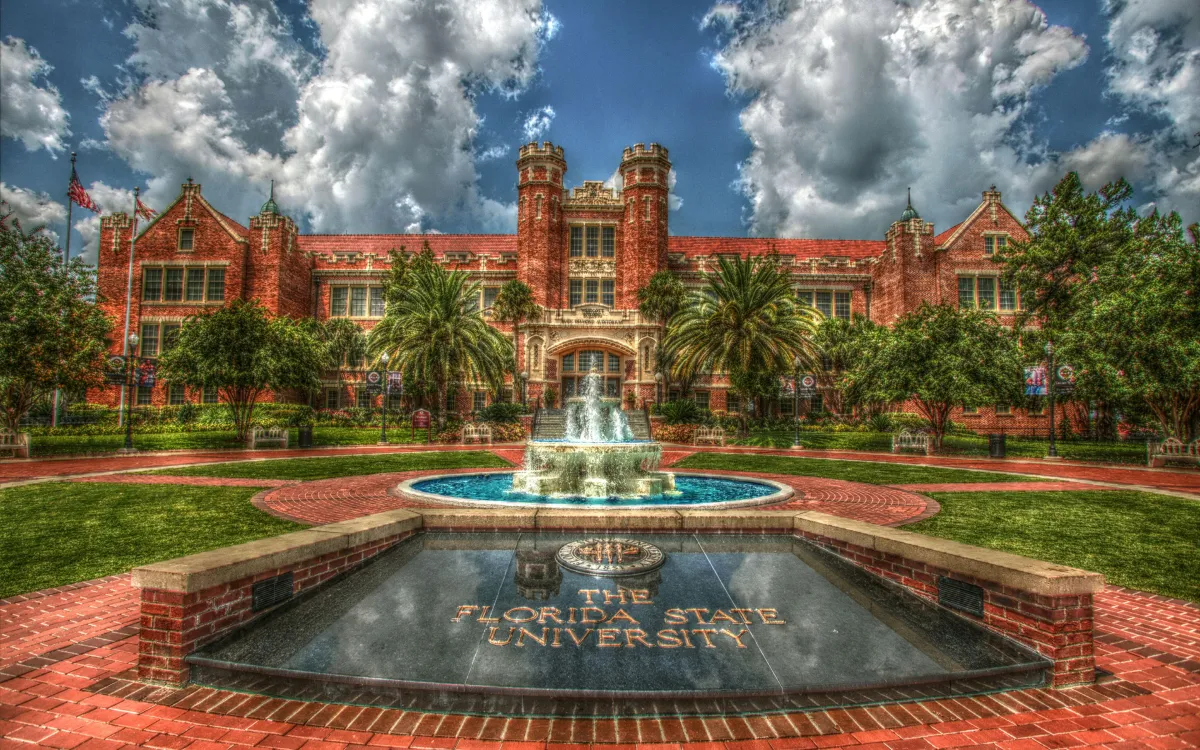 Photo: University of Florida, via wallpaperaccess.com
The solution they developed — a combination of water, sodium, sugar, potassium, and phosphate — was Gatorade. It wasn't a revolutionary concept so much as a formalized, scientifically validated version of what trainers had been attempting to do by instinct for decades.
The Florida Gators went on to have a notably strong second half of the 1965 season. Word spread. The NFL picked it up. By the 1970s, the bright-orange cooler on the sideline had become as much a part of American football as the helmet.
 Photo: Florida Gators, via wallpapers.com
What the Guessing Era Actually Taught Us
It's tempting to look back at the pre-Gatorade era as simply misguided — a period of ignorance before science arrived to set things right. But the trainers working in that era weren't fools. They were observing, experimenting, and adjusting with the tools and knowledge available to them. The salt tablets were wrong in dosage but right in principle. The orange slices were imprecise but directionally correct. The cold-storage borrowing was improvised but functional.
Gatorade didn't emerge from nothing. It emerged from fifty years of trainers noticing things, trying things, and passing knowledge around locker rooms and sidelines without any formal framework to organize it.
Every sports drink on the shelf today — every electrolyte powder, every hydration packet — is the formal, peer-reviewed descendant of those improvised experiments. The science got better. The guessing, eventually, gave way to something more reliable.
But the guessing came first. And without it, there might not have been a question for Dr. Cade to answer.