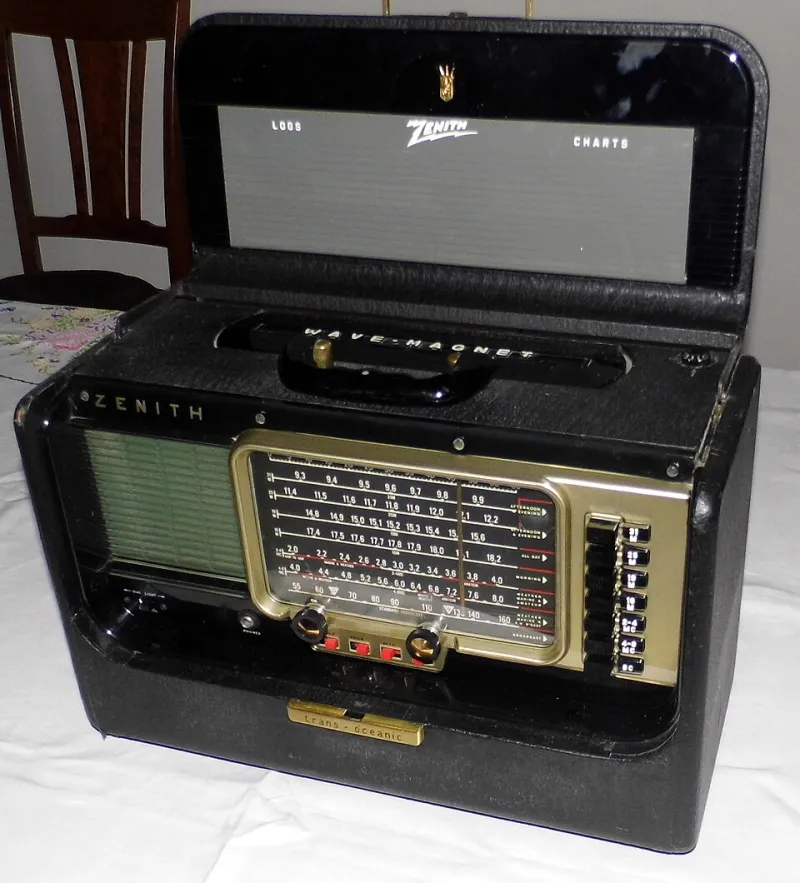
Dead Time, Loud Opinions, and the Accident That Built Sports Talk Radio
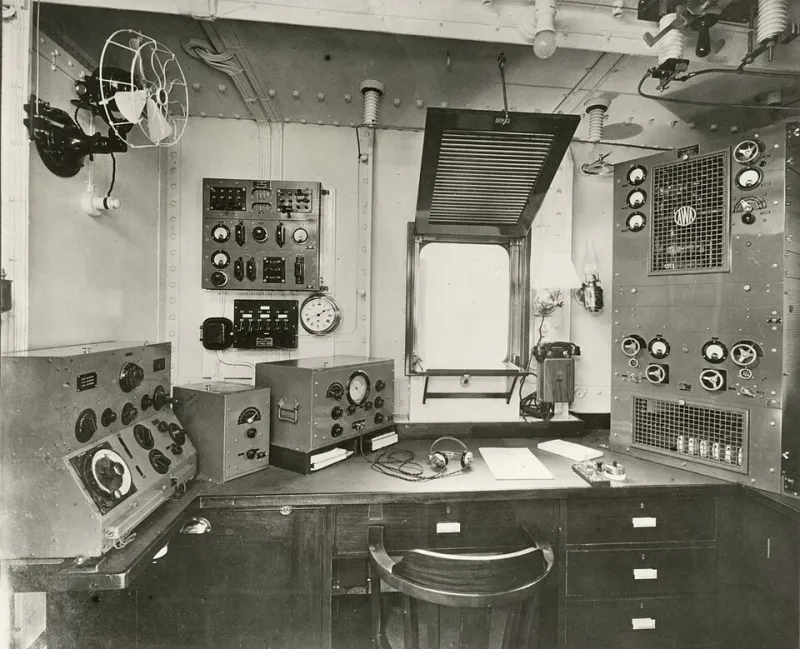
Photo: Sam Hood, Public domain, via Wikimedia Commons
Every weekday morning, millions of Americans climb into their cars and immediately start arguing — or at least listening to someone else argue. About the trade. About the coaching decision. About whether that call in the fourth quarter was the worst officiating in the history of organized sport. Sports talk radio is so woven into the fabric of American commuting that it's hard to imagine the medium not existing. But it almost didn't. And the story of how it got invented is less about broadcasting genius than about filling an awkward silence.
The Problem With Empty Hours
Early commercial radio in the United States had a structural headache that doesn't get much attention in broadcast history: programming was expensive, and the day was long. Music cost money — licensing fees, live musicians, union agreements. News required reporters and editors. Drama needed writers and actors. But the transmitter ran around the clock whether anyone was paying for content or not.
Station managers in the 1950s and early 1960s were constantly hunting for formats that could occupy hours of airtime without destroying a budget. Talk was the obvious answer. Talk was cheap. A host, a telephone line, and a microphone could fill a four-hour block for a fraction of what a produced program cost. The challenge was finding something people actually wanted to talk about.
Sports turned out to be the perfect subject. It was universal enough to attract a broad audience, specific enough to generate genuine disagreement, and renewed itself constantly — there was always a game last night, always a trade rumor this morning, always a standings shake-up worth dissecting. Sports gave talk radio an endless supply of raw material that cost the station absolutely nothing to produce.
The Captive Audience Insight
What early sports talk programmers understood — sometimes consciously, sometimes by accident — was the psychology of captive listening. Radio had always thrived on audiences who were doing something else: driving, cooking, working. But sports talk discovered a particular kind of listener: someone who was bored, mildly irritated, and had an opinion they hadn't been able to share yet.
The commuter was the prototype. Stuck in traffic, already running through the previous night's game in their head, the sports talk listener wasn't passively consuming content. They were waiting for their turn. The call-in format — pioneered in various forms through the late 1950s and accelerating through the 1960s — gave that listener a release valve. You could call in, take your shot, get challenged by the host, and hang up feeling like you'd participated in something.
That participatory feeling was new. Television gave you the game but didn't want your opinion. The newspaper printed its columnists and ignored your letter to the editor. Sports talk radio handed the microphone to the fan — or at least created the convincing illusion that it had.
WFAN and the Moment It Went National
The format simmered for decades in local markets before it got its definitive institutional form. When WFAN launched in New York City in 1987 as the first all-sports radio station in the United States, it was widely considered a gamble that would fail within months. The conventional broadcast wisdom held that sports content was too niche, too seasonal, and too dependent on game outcomes to sustain a 24-hour cycle.
 Photo: New York City, via static.vecteezy.com
The conventional wisdom was spectacularly wrong.
WFAN's early years were rocky — the station cycled through formats and personalities before it found its footing — but the underlying idea proved bulletproof. Sports fans didn't just want to listen during games. They wanted to process games before they happened and long after they ended. The pregame show, the postgame breakdown, the mid-week speculation, the Friday preview — all of it fed an appetite that no one had fully measured before because no one had built the infrastructure to measure it.
By the early 1990s, the format was spreading. ESPN Radio launched nationally in 1992. Local all-sports stations popped up in every major market. The afternoon drive slot — that dead zone between the end of the workday and the start of evening programming — became the most coveted real estate in sports media.
 Photo: ESPN Radio, via cdn-profiles.tunein.com
The Argument as Product
Here's the part that gets genuinely strange when you trace it back: the defining feature of sports talk radio isn't information. It's disagreement. The format doesn't reward the most accurate analysis. It rewards the most entertaining conflict.
Hosts figured this out early. A guest who agreed with everything was radio poison. A caller who quietly conceded the host's point was dead air with a voice attached. What worked — what kept people from switching to the next station — was friction. The host who took the position no one else would take. The caller who wouldn't back down. The argument that had no resolution and therefore never had to end.
This wasn't cynicism. It was physics. Radio is a medium that disappears when nothing is happening. Conflict creates something happening. Sports, with its built-in stakes and tribal loyalties, generates conflict more reliably than almost any other topic. Put a Yankees fan and a Red Sox fan in adjacent phone lines and you don't need a writer's room.
What It Left Behind
Sports talk radio's influence didn't stay inside the radio. The format's DNA is visible in sports television — the shouting-head debate shows, the hot-take culture of ESPN's midday programming, the entire editorial posture of outlets that discovered what radio already knew: strong opinions, expressed with confidence and a little belligerence, attract more attention than careful analysis.
The podcast revolution of the 2010s was, in many ways, sports talk radio with the geographic restrictions removed. The same format — host, co-host, phone-in or guest, argument, resolution-free conclusion — migrated to on-demand audio and found a new generation of listeners who had never owned a radio but recognized the rhythm immediately.
All of it traces back to a station manager in the early 1960s staring at a programming schedule with too many empty hours and not enough budget to fill them properly. Sports talk radio wasn't invented. It was discovered — in the gap between what broadcasters could afford to make and what audiences would accept as a substitute.
As gaps go, it turned out to be worth billions.