They Thought the Play Had Happened Again. It Hadn't. That Confusion Changed Sports Forever.
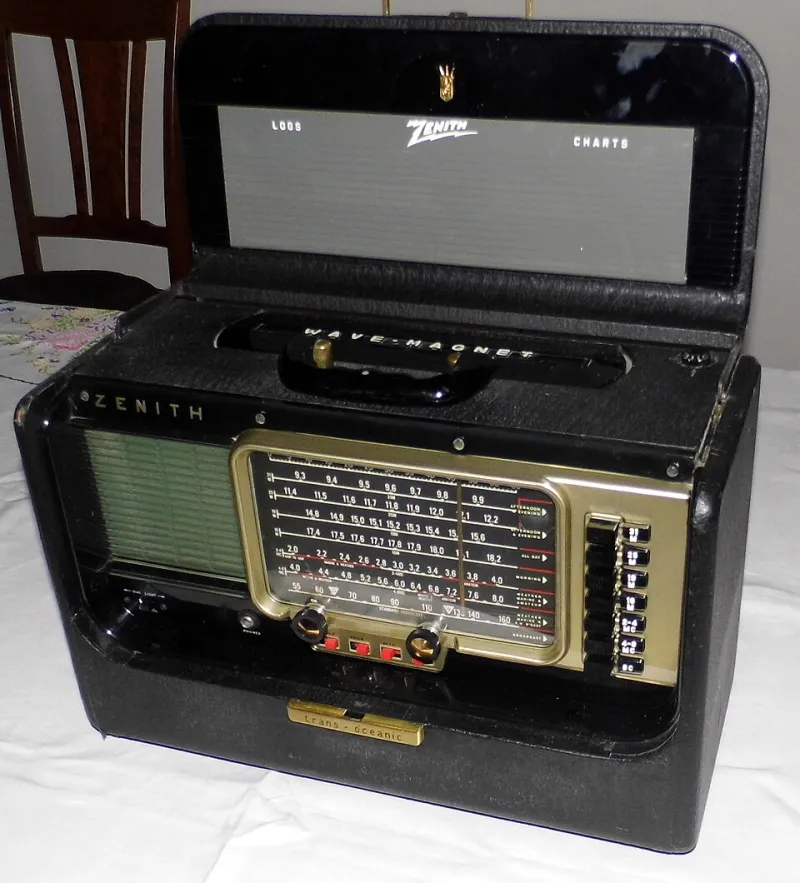
Photo: Joe Haupt from USA, CC BY-SA 2.0, via Wikimedia Commons
They Thought the Play Had Happened Again. It Hadn't. That Confusion Changed Sports Forever.
It is December 7, 1963. The Army-Navy football game is being broadcast on CBS. A director named Tony Verna has smuggled an unusually heavy piece of videotape equipment into the production truck. He has spent weeks trying to make it work reliably. It has failed in rehearsals. It nearly fails again that afternoon. But late in the game, when Navy quarterback Roger Staubach scores a rushing touchdown, Verna does something no director has ever done on a live sports broadcast: he replays it. In slow motion.
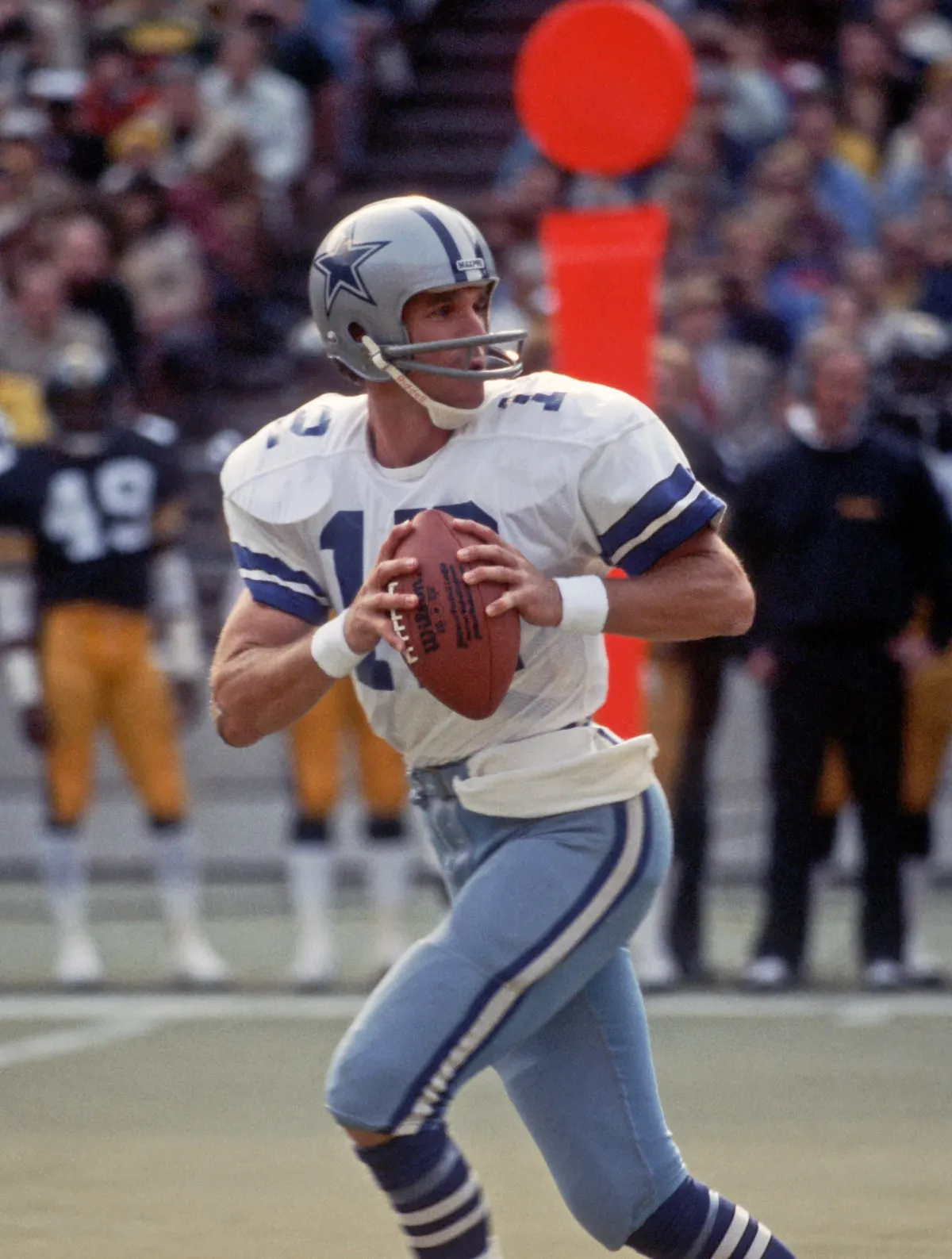 Photo: Roger Staubach, via www.the-sun.com
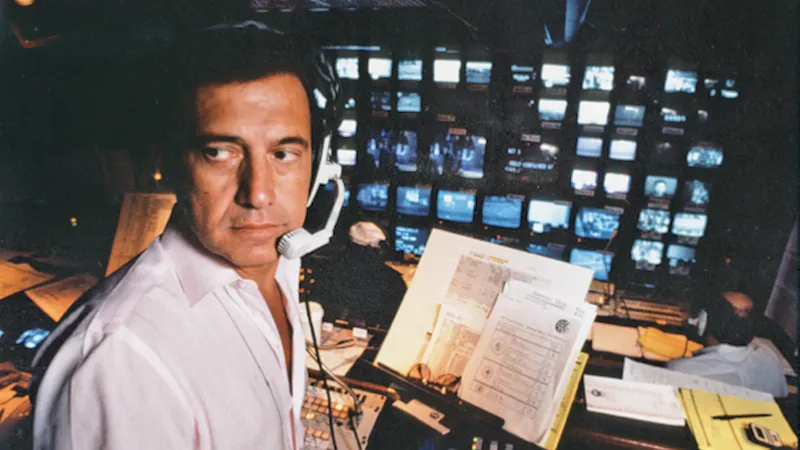 Photo: Tony Verna, via edge.sitecorecloud.io
The announcer, Lindsey Nelson, understands immediately that something unprecedented is happening. "Ladies and gentlemen," he says, with audible urgency, "Army did not score again."
He had to say it. Because viewers, watching the same play unspool again at reduced speed, genuinely believed they were seeing a second touchdown. Their phones were already ringing at the network.
The Equipment Nobody Wanted to Carry
The backstory of that moment begins not in a broadcast truck but in the film industry's longstanding fascination with time manipulation. Slow-motion photography had existed since the late nineteenth century — Eadweard Muybridge's famous galloping horse sequence from 1878 was essentially a slow-motion study achieved through rapid sequential photography. Film editors had long understood that slowing footage down made audiences look more carefully, feel more intensely, and remember more vividly.
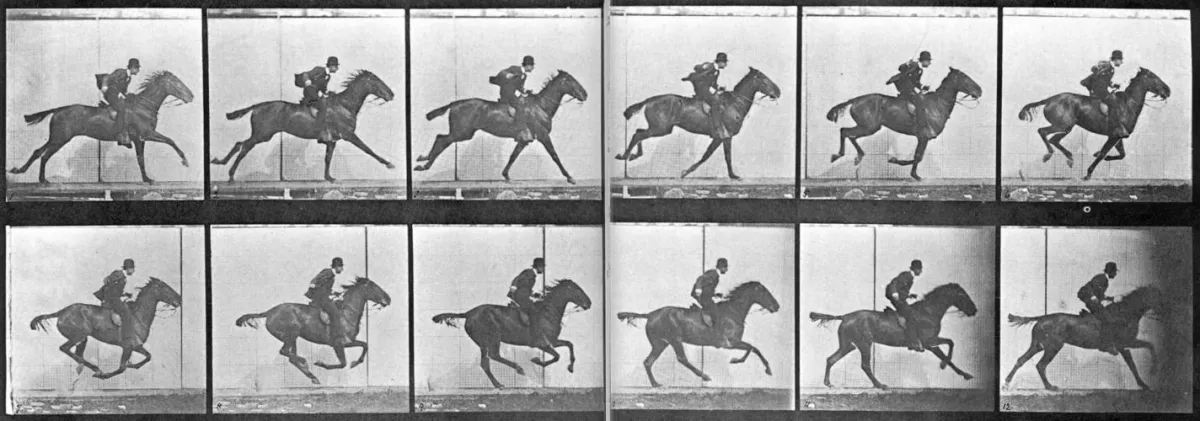 Photo: Eadweard Muybridge, via bloximages.chicago2.vip.townnews.com
Television, though, was a live medium. It prided itself on immediacy — on showing you things as they happened, in real time, with no editorial intervention between the event and your living room. Replaying something felt, to early broadcast culture, almost like cheating. Like you were admitting the first transmission hadn't been enough.
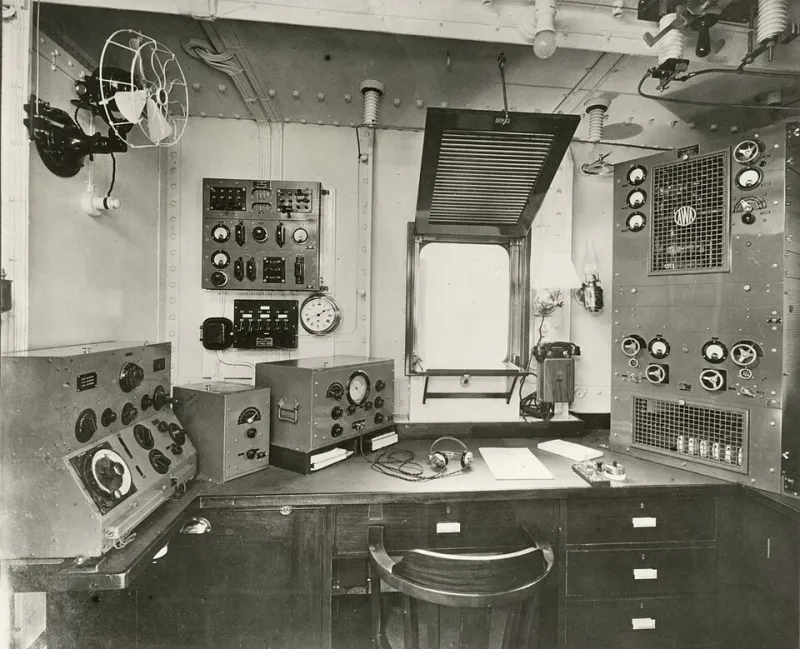
Videotape changed the technical equation. Ampex had introduced commercial videotape recording equipment in 1956, and by the early 1960s, networks were using it to time-delay broadcasts for different time zones. But the machines were enormous, temperamental, and expensive. Nobody was seriously proposing to drag one into a remote broadcast truck for a football game.
Tony Verna was the exception. He had been developing the idea for years — convinced that the ability to show a viewer what they had just seen, but slower and with more clarity, would transform the experience of watching live sport. He eventually persuaded CBS to let him try it. The Army-Navy game was his first real opportunity.
The Backlash That Became a Blueprint
The viewer confusion that followed Staubach's replayed touchdown could have killed the concept before it started. Network executives who heard about the complaints had every reason to file the experiment under "interesting failure" and move on. Audiences in 1963 had no framework for understanding what they were watching. The concept of a replay — let alone a slow-motion one — simply didn't exist in their broadcast vocabulary.
But the confusion itself was revealing. Viewers weren't upset because the replay was boring or irrelevant. They were upset because they thought something important had happened again. That reaction told Verna and the producers something crucial: audiences were paying close attention to what the replay showed. They cared about it enough to call the network. The problem wasn't that slow motion was uninteresting. The problem was that nobody had warned them it was coming.
The solution was Lindsey Nelson's improvised announcement — a verbal frame that told viewers how to interpret what their eyes were seeing. Once audiences understood the grammar of the replay, their reaction flipped almost immediately. What had been confusing became revelatory. You could see the block that sprung the runner. You could see exactly where the receiver's feet landed relative to the sideline. You could see things that happened too fast to process in real time.
The format spread quickly after that. ABC's "Wide World of Sports" began incorporating slow-motion replay in its production. NFL broadcasts adopted it within a few seasons. By the late 1960s, the instant replay had become not just a production tool but an expectation — something viewers felt entitled to see after any significant moment.
From Production Trick to Institutional Power
What nobody fully anticipated was how the replay would migrate from entertainment into governance. Once it was established that cameras could capture truth more reliably than human perception, the pressure to use that capability for officiating decisions became inevitable.
The NFL introduced instant replay for officiating purposes in 1986, scrapped it in 1992 after complaints that it slowed the game, and reinstated it in 1999 in the form that persists today — the coach's challenge system, where teams can contest a call by requesting a video review. The NBA, MLB, and NHL have all developed their own replay review systems, each one a direct descendant of Tony Verna's overloaded equipment truck at the 1963 Army-Navy game.
The implications for sports culture have been enormous and not entirely comfortable. Replay review has made officiating more accurate and simultaneously made it more contentious. Fans who once accepted a bad call as an unfortunate feature of live sport now expect every close play to be examined, re-examined, and explained. The tolerance for human error in officiating has collapsed in proportion to the technology's ability to expose it.
Sports journalism changed too. The slow-motion replay gave analysts a tool for argument that didn't previously exist. Breakdown culture — the frame-by-frame dissection of plays that now dominates sports television and YouTube — is a direct extension of what Verna demonstrated in December 1963. You can always look again. You can always look closer.
The Moment That Needed a Warning
What's worth sitting with, in the hidden backstory of the slow-motion replay, is how close it came to being dismissed as a failed experiment. One confused broadcast. A flood of complaints. A network executive with less patience, or a director with less conviction, and the whole thing might have been shelved.
Instead, an announcer said "Army did not score again" — and in doing so, invented the verbal convention that every broadcaster still uses when a replay appears on screen. The format survived its own birth because someone thought fast enough to explain it.
Every time you watch a slow-motion replay of a disputed play, every time a challenge flag hits the turf, every time an analyst freezes the frame to prove a point — you're watching the long tail of one director's stubborn belief that audiences deserved to see things twice.
They just needed to be told what they were looking at.