The Sticky Secret in Every Pitcher's Pocket
The Sticky Secret in Every Pitcher's Pocket
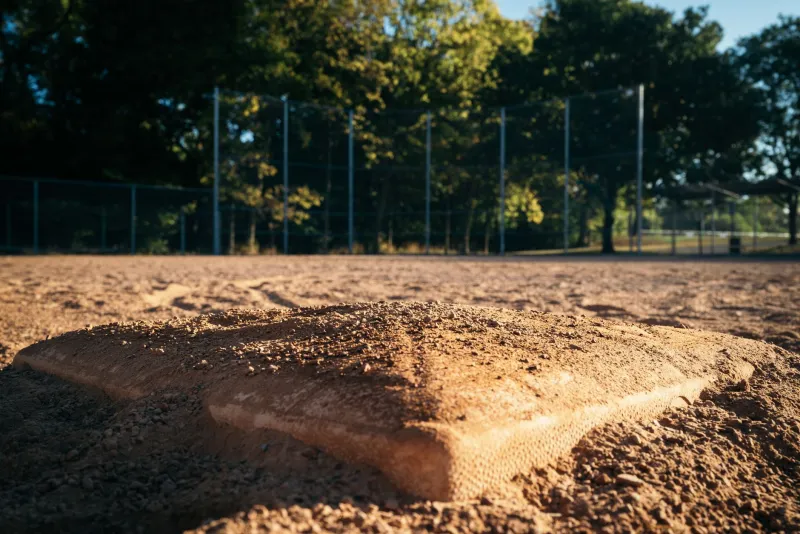
You've seen it a thousand times. A pitcher steps off the rubber, reaches down, picks up that small dirty pouch sitting in the dirt, squeezes it once or twice, then tosses it aside like it's nothing. Maybe you've noticed a gymnast dusting her hands before a vault, or a rock climber chalking up before a difficult route. That powder — that quiet, unglamorous little substance — has been doing an invisible job in American sports for well over a century.
 Photo: American sports, via lapolo-backend-static-file-rest-api.s3.amazonaws.com
But here's the thing nobody tells you: it didn't start in a gym or on a baseball diamond. It started in a factory.
What Even Is Rosin?
Rosin is a solid resin derived from pine trees. Specifically, it's what's left after you distill the liquid turpentine out of raw pine sap. The result is a brittle, amber-colored substance that, when ground into powder and applied to skin or equipment, creates an almost magical tackiness — a grip that doesn't slip, doesn't smear, and doesn't require gloves.
For centuries before anyone thought to bring it near a baseball field, rosin had an entirely practical industrial life. Textile workers used it to coat threads and reduce friction on looms. Printers pressed it into ink compounds to improve adhesion on paper. And every violinist in every orchestra in the world rubbed a cake of it across their bow strings to generate the friction needed to produce sound. Without rosin, a violin bow glides silently across the strings. With it, the instrument sings.
None of that has anything to do with a ninth-inning fastball. And yet, somehow, the same compound ended up in both places.
The Factory-to-Field Migration
The crossover didn't happen all at once, and it didn't happen because of any single brilliant insight. It happened the way a lot of things happen in American sports history — through necessity, improvisation, and someone borrowing something from the shelf that wasn't meant for them.
By the late 19th century, professional baseball was evolving fast. Pitchers were developing breaking balls, experimenting with grip, and discovering that the difference between a sharp curveball and a flat one often came down to how securely a finger could find purchase on a smooth leather surface. Sweaty palms in summer heat made that nearly impossible.
Early solutions were creative but messy. Some pitchers reportedly rubbed dirt on their hands. Others used mud from specific spots near the mound — a tradition that, in a different form, persists to this day with the official "rubbing mud" used to prep game balls. But dirt was inconsistent, mud was unpredictable, and neither gave a pitcher the kind of precise, repeatable grip that made the difference between a walk and a strikeout.
Somewhere in the gap between "sweaty hands" and "reliable grip," rosin entered the conversation. Workers in printing and textile industries had long known about its tackifying properties, and it's likely that early adopters in baseball were men who had worked in or around those industries before the game became a full-time livelihood. They brought the knowledge with them.
Making It Official
For decades, the use of rosin in baseball existed in a kind of informal gray zone. Players used it, coaches tolerated it, and the rules didn't really address it. That changed in 1925, when Major League Baseball officially permitted pitchers to use a rosin bag on the mound — a rule that codified what had already been happening in dugouts and bullpens for years.
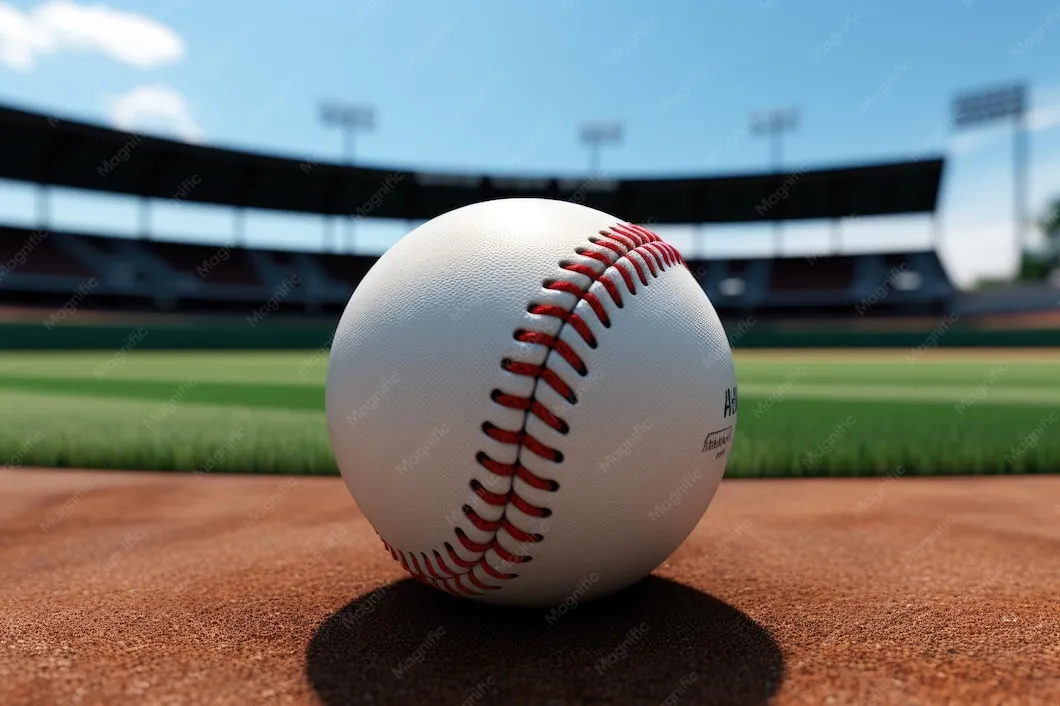 Photo: Major League Baseball, via img.freepik.com
The rosin bag itself — that small canvas or cloth pouch filled with powdered rosin — was a practical refinement. Loose powder is messy and hard to control. A bag allowed a pitcher to apply just enough, just where he needed it, without covering the ball or violating rules about foreign substances. It was a delivery mechanism as much as anything else.
From baseball, rosin spread outward into other sports with similar grip demands. Gymnasts discovered it kept their hands secure on bars and rings. Climbers adopted it. Weightlifters used it. Ballet dancers, in a slightly different formulation, rubbed rosin onto the floors of rehearsal studios to prevent slipping. The same substance that helped a 19th-century printer keep ink on paper was now helping a gymnast stick a landing.
The Invisible Hand Behind Precision Performance
What makes the rosin story compelling isn't just the industrial-to-athletic migration. It's the way such a simple, cheap, almost absurdly low-tech substance became foundational to some of the most precise moments in sports.
Think about what's actually happening when a pitcher grips a baseball for a slider. The difference between a pitch that bites and one that hangs flat can come down to millimeters of finger placement and micrograms of friction. Rosin doesn't just help athletes hold things — it helps them control things at a level that's almost impossible to achieve with bare skin alone.
The same logic applies to gymnastics. A gymnast performing on uneven bars is managing rotational forces that could tear her from the equipment in an instant. Rosin doesn't make the bar softer or the routine easier. It makes the grip reliable enough that everything else — the timing, the muscle memory, the years of training — can actually do its job.
Still Sticky After All These Years
In an era of high-tech athletic gear — moisture-wicking fabrics, carbon-fiber equipment, GPS performance trackers — the rosin bag is almost comically primitive. It's a cloth pouch filled with tree resin. It costs almost nothing. It looks like something a 19th-century carpenter might have left on a workbench.
And yet it's still there, sitting in the dirt behind every major league mound, still doing the same job it was doing a hundred years ago. Some technologies get replaced. Some get upgraded. And some just work so well from the start that nobody ever bothers to improve them.
The rosin bag is one of those. A piece of industrial history that crossed over into sports and never left — quiet, unglamorous, and completely indispensable.