The Train Station Handshake That Built Every Athlete's Paycheck
The Train Station Handshake That Built Every Athlete's Paycheck
Every time a star quarterback signs a $250 million extension, or a basketball player restructures his deal to chase a championship, or a tennis player's name appears on a luxury watch ad, there is a person in the middle of that transaction taking somewhere between three and fifteen percent. The sports agent is so woven into the fabric of professional athletics that it's nearly impossible to imagine the industry without one. The contracts, the endorsements, the image rights, the appearance fees — all of it flows through a representative whose entire job is to make sure the athlete gets paid what they're actually worth.
That system did not come from Hollywood talent agencies or Wall Street dealmakers, though both eventually arrived to claim territory in it. It came from a much scrappier place: the barnstorming baseball circuit of the 1920s, a world of train rides and dusty fairgrounds and handshake agreements that routinely favored everyone except the players.
The Man Who Noticed the Imbalance
C.C. Pyle was not a baseball player, a team owner, or a league official. He was a promoter — the kind of relentlessly entrepreneurial operator who made the 1920s American sporting landscape feel like a carnival that never quite closed. He ran a movie theater in Champaign, Illinois, booked acts, understood crowds, and had an instinct for identifying when something valuable was being underpriced.
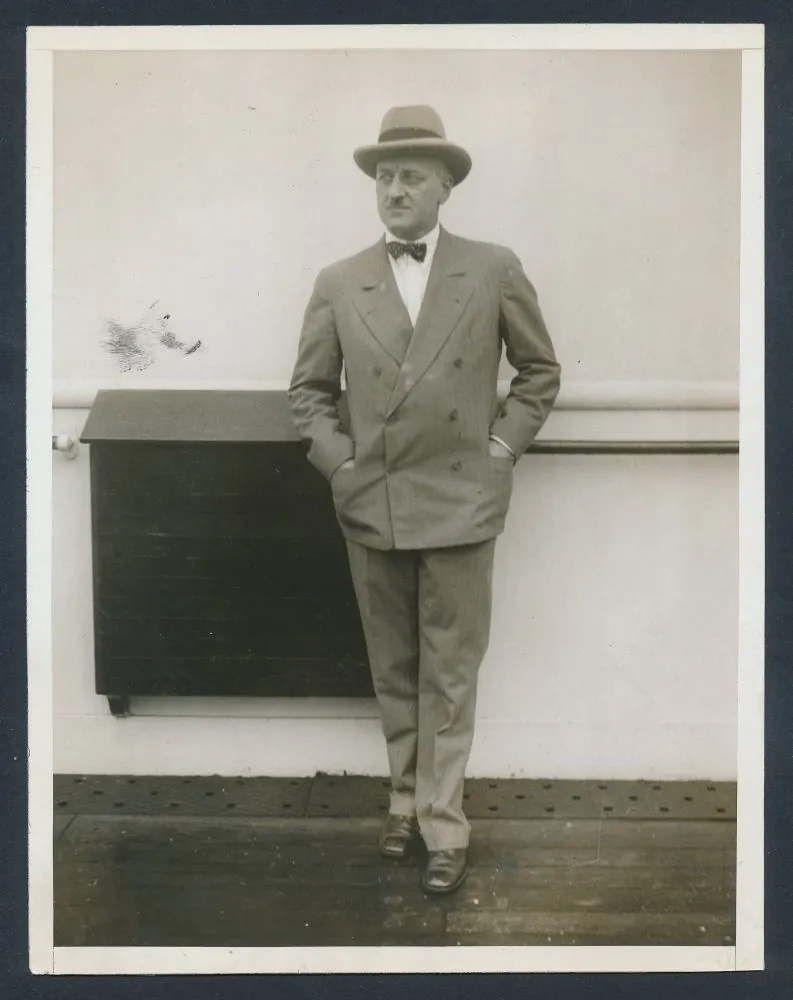 Photo: C.C. Pyle, via rmyauctions.com
In 1925, Pyle approached Red Grange — the University of Illinois running back who had become the most famous college football player in America — with a proposition that had never really been put to a professional athlete in those terms before. Pyle told Grange, in essence: you are worth far more than anyone is currently paying you, and the reason you're not getting it is that you have nobody negotiating on your behalf. Let me be that person.
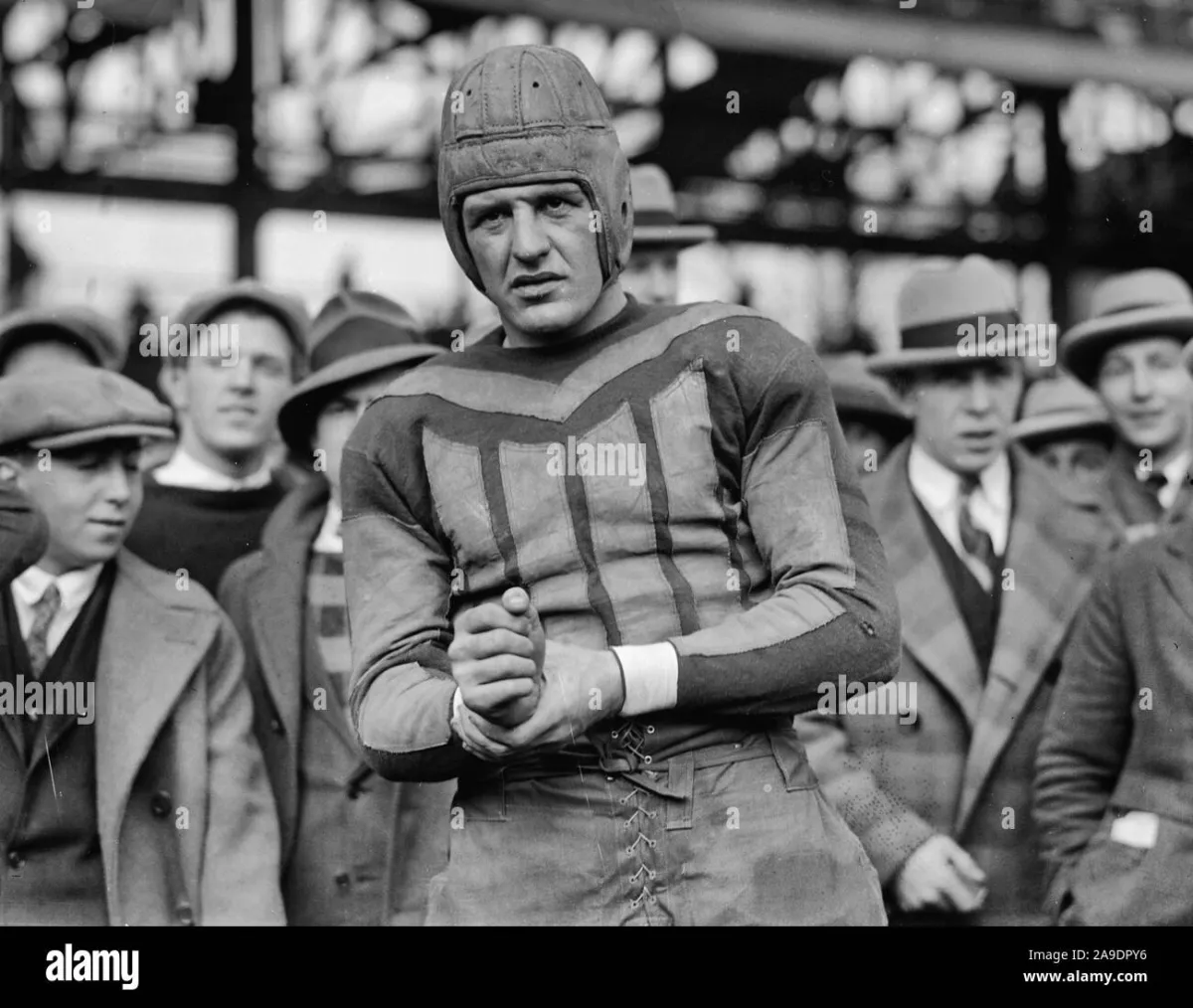 Photo: Red Grange, via c8.alamy.com
Grange signed with the Chicago Bears for a deal that Pyle structured — including a revenue-sharing arrangement on gate receipts that was essentially unheard of at the time. The barnstorming tour that followed drew enormous crowds and made both men wealthy. More importantly, it demonstrated something that the sporting establishment had been quietly hoping no one would notice: athletes were the product, and the product had been drastically undervaluing itself because it had no one in the room whose job was to say so.
The Baseball Problem
The situation in professional baseball was, if anything, worse. The reserve clause — a contract provision that bound a player to his team indefinitely, preventing him from negotiating with any other club — had been standard since the 1870s. Teams held essentially complete power over player salaries. There was no competitive market for talent because players had no legal right to enter one.
In this environment, the idea of a player having a personal business representative was almost conceptually foreign. What would such a person even do? Negotiate against a clause that gave the team all the leverage? Teams weren't interested in outside parties inserting themselves into salary conversations, and the league structure gave them every tool to prevent it.
But the barnstorming circuit existed outside that structure. During the off-season, players could barnstorm — travel the country playing exhibition games in small towns that would never see a major league club. These tours were where the informal representative first appeared: a promoter who booked the games, handled the logistics, took a cut, and — if he was good at his job — made sure the players weren't getting robbed on the back end of every deal.
The train station waiting room became the office. Handshake agreements scratched out between stops became the contracts. It was ad hoc, entirely unregulated, and structurally fragile. It was also the first recognizable version of what would eventually become a formalized profession.
How Accident Became Architecture
The formalization happened gradually, and then very quickly.
The talent agency model from Hollywood began bleeding into sports in the 1950s and 60s. Mark McCormack, a golf enthusiast and lawyer, signed Arnold Palmer in 1960 on an agreement reportedly sealed with a handshake — a deliberate echo of the barnstorming era — and built IMG, the International Management Group, into the first true global sports agency. McCormack's insight was essentially Pyle's insight restated in corporate language: athletes were brands, their time and name had commercial value beyond the playing field, and someone needed to be in the room to capture that value on their behalf.
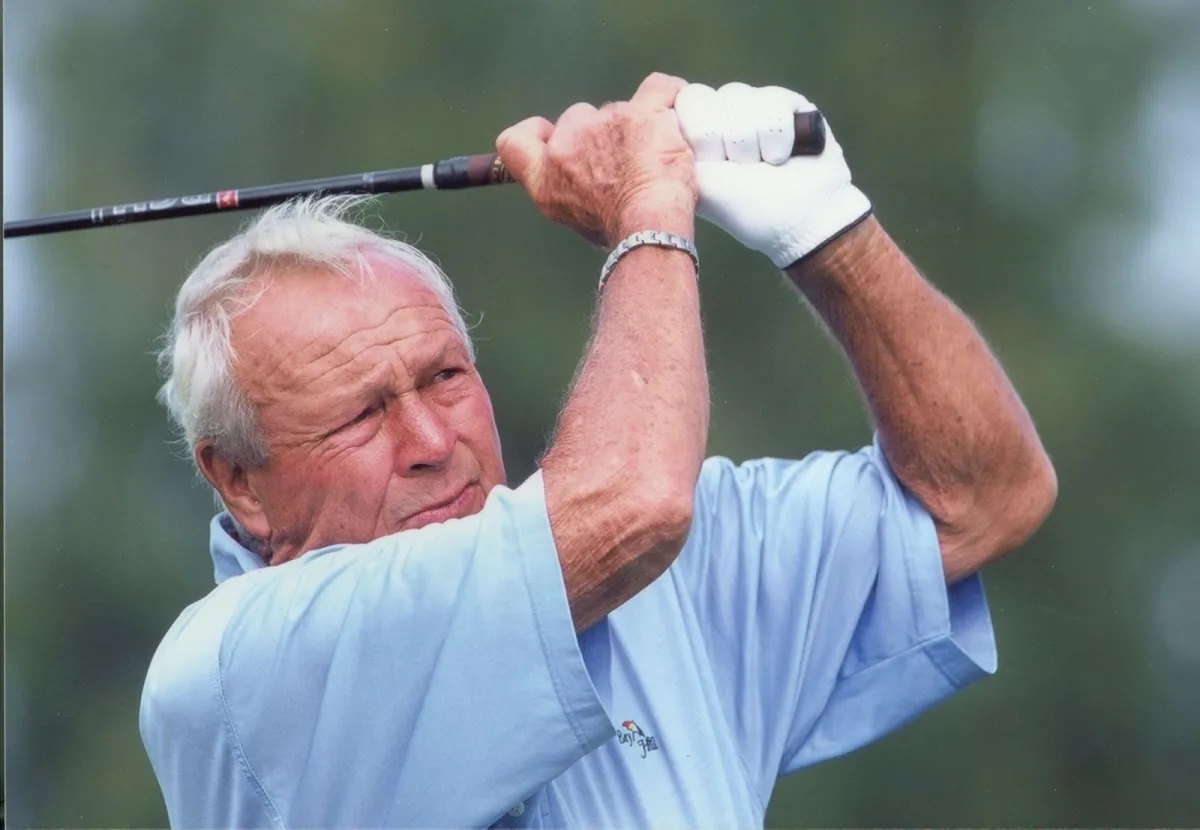 Photo: Arnold Palmer, via cdn.britannica.com
The players' union movement of the late 1960s and 70s added another layer. As collective bargaining gave athletes actual legal leverage for the first time, individual representation became not just useful but necessary. The reserve clause in baseball was finally struck down in 1975, opening a free agent market that made skilled negotiators genuinely essential. The sports agent went from a fringe figure to a central one almost overnight.
By the 1980s, the agent was a fixture. By the 1990s, the agent was a celebrity. Jerry Maguire wasn't a documentary, but it wasn't entirely fiction either.
What the Handshake Left Behind
The structure that emerged from those train station deals carries an uncomfortable inheritance. The sports agency system was built to correct a power imbalance — players being systematically underpaid because they had no advocate. In many ways, it succeeded. Elite athletes today earn salaries that would have seemed delusional to a 1920s ballplayer.
But the system also created its own imbalances. Agents work on commission, which means their financial interest is tied to the size of the deal — not necessarily the quality of the deal for the player's long-term wellbeing. The biggest contract is not always the best contract. The highest-profile endorsement is not always the right one. The agent who maximizes short-term earnings and the agent who builds a sustainable career are sometimes the same person, and sometimes very much not.
The reserve clause is gone, but structural power still flows unevenly through professional sports contracts. Rookie wage scales, franchise tags, and league salary caps all constrain the market in ways that benefit ownership. The agent exists to navigate those constraints, but the constraints were built by the same institutions the agent is negotiating against.
C.C. Pyle noticed the imbalance and built a workaround. A century later, the workaround has become the industry, and the industry has its own imbalances baked in. The handshake in the train station started something genuinely important. What it started is still, in every meaningful sense, unfinished.